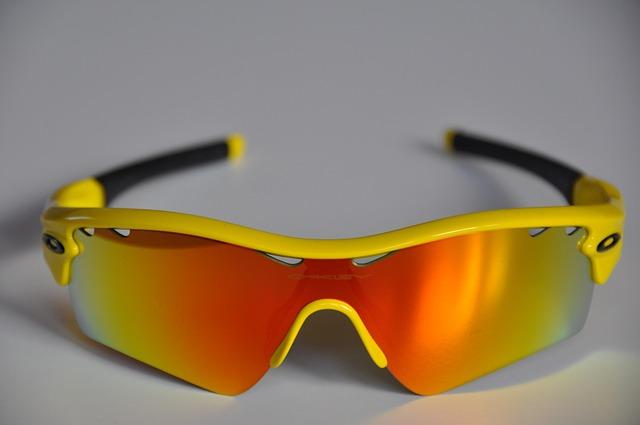
Hot Take: The Oakley Vanguard Meta Glasses Would Be Better Without AI
In an era where artificial intelligence is increasingly woven into the fabric of everyday technology, Oakley has made headlines with its latest innovation-the Vanguard Meta glasses. Promising to enhance the user experience through AI-driven features, these high-tech spectacles have sparked a lively debate among consumers and tech enthusiasts. While many celebrate the integration of smart capabilities into eyewear, some experts and passionate users argue that the Vanguard Meta might be better off without the AI component altogether. This article delves into the heart of this controversy, examining the potential drawbacks of AI in the Vanguard glasses and exploring whether simplicity could lead to a more satisfying and intuitive user experience.
The Limitations of AI Integration in Oakley Vanguard Meta Glasses
While the integration of artificial intelligence into the Oakley Vanguard Meta glasses presents exciting possibilities, it also brings with it a range of limitations that could detract from the user experience. User dependency on AI can lead to frustrating situations where the technology fails to perform as expected. This reliance may impede the natural, instinctive usage of eyewear during sports or outdoor activities, where split-second decisions are critical. Furthermore, battery drain from AI functionalities could limit the amount of time users can depend on the glasses, forcing them to choose between essential features and the practicality of extended use.
Moreover, the complexity of the integrated AI can alienate less tech-savvy users, who may find the multitude of features overwhelming rather than helpful. A streamlined, user-friendly approach could enhance the overall experience, allowing for intuitive operation without the need for extensive learning curves. Additionally, concerns over privacy and data security arise with AI, as users may be hesitant to share their personal data or rely on a system that could potentially compromise their information. These factors suggest that the Oakley Vanguard Meta glasses might benefit from a more traditional design, prioritizing functionality and user comfort over high-tech bells and whistles.
User Experience Compromised by Overreliance on Technology
The introduction of AI into consumer technology has undeniably transformed our daily interactions with devices, yet this evolution often comes at the expense of user experience. The Oakley Vanguard Meta glasses, a bold step forward in eyewear, showcase how overreliance on artificial intelligence can complicate what should inherently be a seamless experience. Rather than enhancing functionality, the AI features can introduce unnecessary complexity, leading to frustration for users who simply desire a pair of glasses that seamlessly integrates into their lives. How often do we find ourselves befuddled by technology that should, in principle, be straightforward?
Moreover, this reliance on AI can detract from the core experience that consumers expect when purchasing eyewear. Key user experiences might include straightforward customization options or intuitive navigation-both of which can become muddled in a sea of algorithms and too many features. Consider the following aspects:
- Customization vs. Overcomplication: Users may prefer manual options rather than convoluted AI-driven interfaces.
- Reliability: Users trust traditional functionality, expecting their glasses to work without needing tech support.
- Simplicity of Use: The desire for an uncomplicated experience can outweigh the allure of high-tech features.
Ultimately, the enthusiasm for tech-enhanced eyewear should not overshadow the fundamental purpose of any accessory: to serve the user, not the technology that powers it. The true potential of products like the Oakley Vanguard Meta glasses lies in their ability to blend innovation with practicality, creating a balance that respects user needs and preferences.
Recommendations for a More Streamlined Design in Smart Eyewear
The integration of artificial intelligence into smart eyewear has sparked a discussion about user experience vs. tech overload. Following the trends in minimalist design, the Oakley Vanguard Meta glasses could benefit from a focus on essential features rather than the extensive AI capabilities currently incorporated. Streamlined functionality can enhance usability and reduce distractions, making the wearer’s experience more intuitive. Here are some suggestions for a more user-friendly design:
- Simplified User Interface: Remove complex menus and voice commands; prioritize essential controls.
- Enhanced Battery Life: Focus on optimizing battery consumption to support basic functions over AI-driven features.
- Lightweight Materials: Use advanced, yet lightweight materials to ensure comfort during prolonged wear.
Moreover, a balance between style and function is crucial in attracting a broader consumer base. By prioritizing aesthetic appeal and practical usage, manufacturers can create products that resonate with customers. A well-curated list of essential features rather than an overload of technology would likely position the Vanguard Meta in a favorable light. Consider the following:
| Feature | Description |
|---|---|
| Smart Notifications | Display key alerts without overwhelming the user. |
| UV Protection | Essential for any eyewear, prioritize health features. |
| Customizable Lenses | Options for varying light conditions without tech intervention. |
To Wrap It Up
In conclusion, while the Oakley Vanguard Meta glasses represent a bold step forward in eyewear technology, the integration of AI features may not align with the needs and preferences of all consumers. As our exploration reveals, the allure of advanced functionality comes with trade-offs that could detract from the authentic Oakley experience. Seeking a balance between innovation and authenticity is crucial as the brand navigates the evolving landscape of smart eyewear. With consumers increasingly prioritizing simplicity and usability, it remains to be seen whether the future of these glasses will embrace their tech-savvy edge or return to a more streamlined approach. As discussions around AI in everyday products continue, the Oakley Vanguard Meta glasses serve as a key case study in how technology should enhance rather than complicate our daily lives.