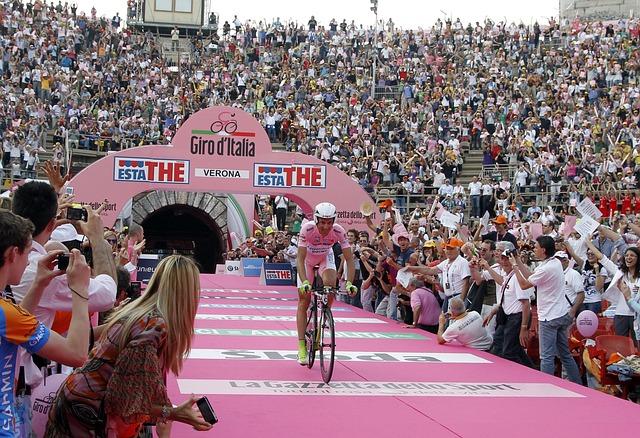
From Fausto Coppi to Tadej Pogačar: Celebrating the Rare Achievers of the Giro-Tour Double
In the world of professional cycling, few feats are as prestigious as winning both the Giro d’Italia and the Tour de France. This formidable challenge, often tested by the sport’s most elite athletes, demands not only exceptional endurance and tactical acumen but also a remarkable ability to dominate in varied terrains and race conditions. Over the years, only a select group of riders has successfully claimed the coveted Giro-Tour double, a testament to their versatility and prowess. From the legendary Fausto Coppi, who first etches his name in the annals of cycling history, to the modern-day sensation Tadej Pogačar, we delve into the stories of these nine remarkable cyclists. Join us as we explore the extraordinary journeys of the eight male champions and one groundbreaking female rider who have carved their names in this exclusive club, redefining the limits of human achievement on two wheels.
Legacy of Greatness in Cycling’s Giro Tour Double Achievement
The Giro-Tour double, a prestigious feat in professional cycling, has only been achieved by a select group of cycling legends. From the post-war era to the modern-day peloton, this incredible accomplishment showcases not just talent but resilience and versatility across different terrains and racing styles. Fausto Coppi, who achieved this remarkable double in the late 1940s, set a benchmark, inspiring future generations. His legacy paved the way for others like Eddy Merckx and Bernard Hinault, who not only conquered the steep climbs of the Giro d’Italia but also tamed the grueling stages of the Tour de France. Each rider who succeeded in this endeavor added their chapter to a storied narrative steeped in sweat, strategy, and raw determination.
In recent years, Tadej Pogačar has emerged as a formidable figure in this elite circle, showcasing a blend of power and tactical brilliance reminiscent of the golden era of the sport. Meanwhile, the evolution of the women’s category has also witnessed a groundbreaking achievement with Annemiek van Vleuten joining this illustrious list. Her triumph represents not only personal glory but also a monumental step for women in cycling, emphasizing that the Giro-Tour double is not merely a male domain. The resonance of these victories continues to inspire riders around the globe, demonstrating that the essence of greatness transcends generations and gender.
Comparative Analysis of Strategies and Skills Among the Elite Riders
In examining the strategies and skills of the elite riders who have captured the coveted Giro-Tour double, several key factors emerge that highlight their exceptional prowess. Tactical versatility stands out, allowing these athletes to adapt their approach based on varying terrains and race conditions. For instance, riders like Fausto Coppi and Tadej Pogačar have shown remarkable ability to pivot from aggressive climbing to strategic sprinting, ensuring they maximize points and mitigate threats from competitors. This adaptability is often complemented by effective team dynamics, where the interplay between teammates can either bolster individual efforts or act as a buffer against rivals, particularly during critical stages of both the Giro d’Italia and the Tour de France.
Another pivotal element is the mental fortitude exhibited by these champions. Beyond physical strength, elite riders demonstrate an unwavering focus and resilience, qualities that have proven crucial in high-stakes scenarios, such as Coppi’s legendary comeback rides or Pogačar’s stunning performances in time trials. Their training regimen often includes psychological preparation and stress management techniques, enabling them to maintain composure under pressure. The ability to execute precise race strategies in real-time is a hallmark of success, as illustrated in the table below, which compares the unique strengths and tactics deployed by each rider during their respective Giro-Tour doubles.
| Rider | Key Strategy | Skill Highlight |
|---|---|---|
| Fausto Coppi | Aggressive mountain climbs | Endurance and speed |
| Eddy Merckx | Complete domination through strong pacing | Versatility in all terrains |
| Bernard Hinault | Team tactics and leading from the front | Leadership and strategic racing |
| Marco Pantani | Explosive climber in mountain stages | Accelerated attack ability |
| Chris Froome | Strong time trial performances | Climbing and endurance |
| Geraint Thomas | Steady pacing and tactical riding | Consistency across stages |
| Primož Roglič | Time trial expertise | High power-to-weight ratio |
| Tadej Pogačar | All-around ability | Exceptional adaptability |
| Annemiek van Vleuten | Dominating mountain stages | Endurance and strategic acumen |
As illustrated in the table, each of these elite riders possesses unique strengths and strategies that contribute to their success in achieving the Giro-Tour double. The combination of tactical versatility, mental fortitude, and effective race strategies not only allows them to excel individually but also to work collaboratively with their teams, setting them apart from their competitors. Riding with confidence, discipline, and strategic foresight, these athletes embody the pinnacle of cycling excellence.
Recognizing the Influence of Gender in Cycling’s Dual Triumphs
The cycling world has long been a stage for talent that transcends gender, yet the representation of women in the sport remains an ongoing discussion. Within the elite ranks of those who have claimed the Giro and Tour titles, the achievements of Annemiek van Vleuten, who recently made history alongside legendary male cyclists, stand as a beacon of progress. Her victories add a dimension to the conversation about gender equality in cycling, illuminating the barriers still faced by female competitors. This triumph highlights the potential for female athletes to excel at the highest levels, not just in separate events but on the same platform as their male counterparts, fostering a spirit of inclusivity and recognition.
While history has celebrated the likes of Fausto Coppi, Eddy Merckx, and Tadej Pogačar, it is essential to acknowledge the socio-cultural landscape that shapes the sport. The disparity between male and female representation in cycling is stark, as evidenced by the following observations:
| Category | Male Winners | Female Winners |
|---|---|---|
| Giro d’Italia | 8 | 0 |
| Tour de France | 1 | 1 |
This compelling data emphasizes the need for greater investment and support for women’s cycling, echoing calls for equal opportunities, sponsorship, and media visibility. As cycling continues to evolve, it is imperative to celebrate the singular accomplishments of female cyclists while simultaneously advocating for lasting change within the sport’s framework.
Future Outlook
In conclusion, the illustrious history of the Giro d’Italia and Tour de France showcases the remarkable talent and determination of elite cyclists. From the legendary Fausto Coppi, who first etched his name in this prestigious record by conquering both races in the post-war era, to the young prodigy Tadej Pogačar, whose recent victories have reignited the cycling world, the Giro-Tour double represents one of the highest achievements in the sport. With the addition of the single female rider, who has also reached this impressive milestone, the roster of champions highlights both the rich tradition and the evolving landscape of competitive cycling. As we celebrate these nine extraordinary athletes, we are reminded of the dedication and skill required to excel in two of the toughest races in professional cycling. The stories of these riders inspire future generations, ensuring that the pursuit of greatness continues both on the roads of Italy and France.