As the crisp autumn air settles in and the leaves begin to change, cyclists across the country are eager to embrace the thrill of gravel riding. However, with this seasonal transition comes an important yet often overlooked hazard: wildlife. This year, many riders are taking to the trails during rutting season, a time when deer are particularly active and unpredictable. In an alarming incident that highlights the potential dangers of this period, a gravel rider recently crashed headfirst into a deer, serving as a stark reminder for cyclists to remain vigilant. As deer become more frenzied in their search for mates, riders are urged to stay aware of their surroundings and exercise caution to prevent similar collisions. In this article, we delve into the complexities of rutting behavior, share firsthand experiences, and provide crucial tips for riders to navigate the trails safely during this critical time of year.
Understanding Rutting Season: The Increased Risk of Deer Encounters for Gravel Riders
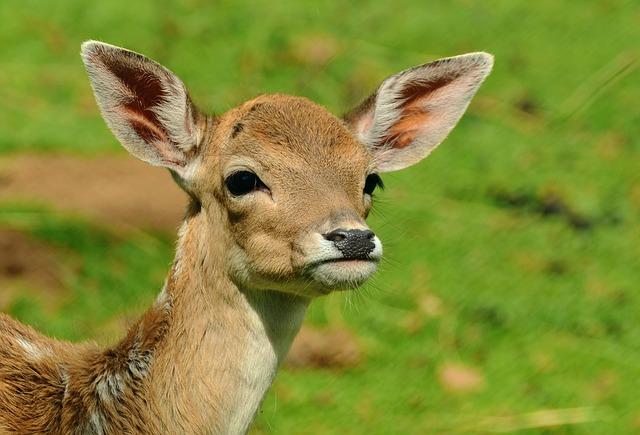
The rutting season, which typically occurs from October to December, signifies a critical time for deer activity as male deer, or bucks, become increasingly aggressive and more prone to wandering. This natural behavior is driven by instinct, leading them to seek out females for mating, resulting in erratic movements and potential highway and trail crossings. As the days grow shorter and their mating instincts heighten, gravel riders face a heightened risk of deer encounters while traversing rural roads and trails. Riders must remain vigilant, especially at dawn and dusk when deer are most active.
To mitigate risks during this period, consider the following precautions:
- Ride with Awareness: Stay alert for any signs of deer, including their silhouettes against the horizon.
- Adjust Your Speed: Reduce speed in areas known for wildlife crossings.
- Use Bright Colors: Wear visible gear to enhance your chances of being seen by both deer and drivers.
- Travel in Groups: Riding with others can enhance safety through increased visibility and additional awareness.
Understanding the behaviors associated with rutting season can be vital for gravel riders. Keeping a close watch for deer signs, such as tracks or droppings, may provide early warnings of their presence. Additionally, various factors can influence the likelihood of deer encounters:
| Factor | Impact on Deer Movement |
|---|---|
| Time of Day | Highest activity during dawn and dusk |
| Seasonal Changes | Increased roaming during rutting and winter |
| Weather Conditions | Humidity and rain can cause more movement |
| Feeding Patterns | Deer may be drawn to roadside vegetation |
Taking Precautions: Essential Tips for Safe Riding During the Fall Months
As the air turns crisp and leaves begin to fall, riders must be acutely aware of the unique challenges posed during the fall months. Increased wildlife activity, particularly during rutting season, can lead to unexpected encounters with animals. For gravel riders, it’s imperative to be vigilant and prepared for sudden wildlife crossings. Make sure to adhere to road signs and wildlife warnings, and consider adjusting your speed in areas where animal sightings are common. Being proactive and adopting defensive riding techniques can significantly reduce the risk of accidents.
Additionally, changing weather conditions and road surfaces can severely impact riding safety. As riders navigate gravel paths, watch for loose debris and wet, slippery spots that could pose hazards. Here are some essential tips to keep in mind:
- Utilize appropriate gear: Ensure your bike is equipped with appropriate tires for the changing conditions.
- Stay visible: Wear bright colors and consider reflective gear as daylight hours diminish.
- Adjust your riding technique: Maintain a relaxed grip on the handlebars and be prepared for sudden changes in terrain.
- Plan for shorter rides: Schedule rides during daylight hours to mitigate the risk of night-time accidents.
What to Do After a Collision: Steps for Gravel Riders Involved in Deer Accidents
Encountering a deer on the road can be a shocking experience, especially during the rutting season when their activity peaks. After a collision, prioritize your safety and that of others on the road. First, pull over to a safe location and ensure you’re out of traffic. If you’re in a state to do so, assess any injuries to yourself and assess the damage to your bike. It’s crucial to keep calm; this is the first step toward addressing the aftermath of the incident. If you or anyone involved in the accident is injured, promptly call for medical assistance.
Once safety is assured, document the incident thoroughly. Take clear photos of your bike, the location of the accident, and any visible injuries. Gather information from any witnesses, noting their contact details. It’s also essential to report the incident to local law enforcement, as a police report may be necessary for insurance claims. Maintaining a list of necessary contacts and resources can aid in this process. Consider the following checklist:
- Check yourself and others for injuries
- Move to a safe location
- Document the scene and obtain witness information
- Contact local law enforcement
- Notify your insurance company
In Conclusion
As the rutting season kicks into high gear, the potential for unexpected encounters with wildlife increases significantly, particularly for gravel riders navigating rural roadways. My recent experience of crashing headfirst into a deer serves as a stark reminder of the unpredictability of nature and the importance of vigilance during this time of year. Riders are urged to remain alert and implement safety measures, such as reducing speed and staying on well-traveled routes, to mitigate the risks associated with deer movement. Local wildlife officials emphasize that understanding deer behavior during mating season can help prevent such incidents. As we enjoy our outdoor pursuits, let this be a cautionary tale-stay safe, respect the environment, and always keep an eye out for our four-legged neighbors on the road.