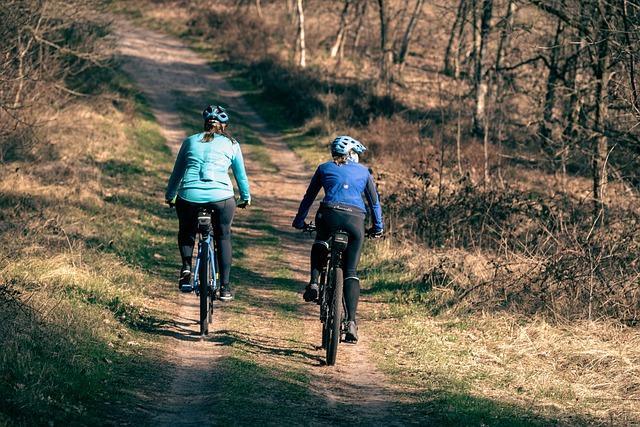
In a groundbreaking shift for women’s cycling, the Tour de France Femmes has emerged as a pivotal platform, bringing unprecedented visibility and recognition to female riders. According to Strava, a leading social fitness network, there has been a significant surge in participation and distance records among women during the event’s week, highlighting a growing movement of women redefining their boundaries in the sport. As female cyclists race not just for medals but for empowerment and equality, this year’s Tour de France Femmes marks a turning point where women chase distance on their own terms, encouraging more female athletes to take to the roads and reshape the narrative of cycling. With insights from Strava and firsthand accounts from riders, this article delves into the implications of this momentum for the future of women’s cycling.
Empowering Women Cyclists: Strava’s Insights on the Surge in Female Participation in Tour de France Femmes Week
The recently concluded Tour de France Femmes week has been a landmark event, signaling a transformational growth in female participation in cycling. Strava, the renowned fitness tracking platform, has recorded a significant uptick in activity from women cyclists, showcasing an empowered community that embraces distance riding on their own terms. The data reflects a 14% increase in female cyclists logging rides during this period compared to previous years, underscoring a robust surge in engagement and commitment to cycling among women. There are numerous factors contributing to this rise, including increased visibility of women’s events and a more structured support system designed to encourage female cyclists to pursue their passions.
Strava’s insights reveal that women are not only participating but also challenging themselves with longer rides. The analysis shows that the average distance covered by women cyclists has risen notably, highlighting their determination to push boundaries. Key statistics paint a vivid picture of this trend:
| Metric | 2023 Tour de France Femmes Week | Previous Year |
|---|---|---|
| Percentage Increase in Female Rides | 14% | N/A |
| Average Distance per Ride | 34 km | 30 km |
| New Female Cyclists Joining Strava | 5,000+ | 2,000 |
As women riders continue to adapt and express their interests in cycling, this trend not only promotes inclusivity but also allows for diversification within the cycling community. The enthusiasm observed during the Tour de France Femmes week encapsulates a new era for women in cycling-one characterized by ambition, solidarity, and the pursuit of personal achievements. Whether training for competitive events or seeking leisurely rides through scenic routes, the surge in female participation reflects a collective movement towards empowering women to chase distance on their own terms.
Breaking Barriers: How the Increased Visibility of Women’s Riding Influences Participation and Performance
The recent surge in visibility for women’s cycling, particularly highlighted during the Tour de France Femmes, has set a new precedent for participation in the sport. According to a report by Strava, there has been a notable increase in the number of women taking to their bikes, embracing the challenge of long-distance rides on their own terms. This momentum not only celebrates female athletes but also encourages new cyclists to embrace cycling as a viable pursuit, significantly enhancing community engagement. The enhanced visibility provides a multitude of benefits:
- Inspiration: Female riders witnessing their peers excel tend to feel motivated to ride more frequently.
- Community Support: Cycling groups tailored for women have flourished, creating safe and encouraging spaces for beginners and seasoned riders alike.
- Resource Accessibility: Increased media attention has led to more resources becoming available, from instructional content to gear specifically designed for women.
Statistics from Strava have shown that participation rates during the Tour de France Femmes week climbed as much as 40% among female cyclists compared to previous years. This uptick underscores the importance of representation and dedicated events tailored for women, which directly correlate with improved performance and higher engagement levels in cycling communities. To further illustrate this, the table below showcases key participation metrics before and after the event:
| Year | Participating Women Cyclists | Distance Covered (avg.) |
|---|---|---|
| 2021 | 12,000 | 45 km |
| 2022 | 17,000 | 50 km |
| 2023 | 25,000 | 60 km |
Building a Stronger Community: Recommendations for Supporting Women Cyclists Beyond the Tour de France Femmes
As cycling gains momentum among women, especially during significant events like the Tour de France Femmes, it’s crucial to translate this inspiration into sustained support for female cyclists. Local communities can play a transformative role by fostering inclusive environments that encourage participation at all levels. Some effective ways to enhance support for women cyclists include:
- Organizing Women-Only Rides: Creating spaces specifically for women can help build confidence and camaraderie.
- Providing Access to Resources: Offering workshops on bike maintenance and safety ensures cyclists feel empowered and self-sufficient.
- Creating Supportive Networks: Encouraging mentorship opportunities can connect experienced cyclists with newcomers, providing guidance and motivation.
Moreover, community advocacy plays a vital role in enhancing infrastructure for female cyclists. By promoting safe cycling routes and investing in bike-accessible public spaces, cities can demonstrate a commitment to equity in sports. Additional initiatives could include:
| Initiative | Description |
|---|---|
| Bike Share Programs | Incorporating more inclusive bike share options that prioritize women’s needs. |
| Community Events | Hosting cycling festivals that celebrate female athletes and promote local female businesses. |
Wrapping Up
In conclusion, the recent surge in participation and performance among women cyclists during the Tour de France Femmes week signals a transformative moment for the sport. As highlighted by Strava’s findings, more women are not only taking to the roads but are also pushing boundaries, redefining what it means to ride on their own terms. This momentum is not just a momentary trend; it is a clarion call for greater representation and support within the cycling community. As we celebrate these achievements, it is crucial to continue fostering an environment where female riders can thrive, ensuring that the strides made during this iconic event pave the way for future generations. With more women embracing cycling as a powerful means of expression and empowerment, the future of the sport looks remarkably promising.