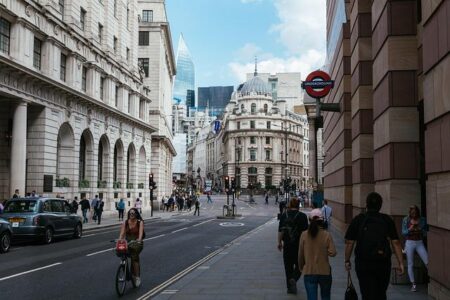
As the days grow shorter and the chill of autumn settles in, millions across the country prepare to turn their clocks back this weekend, marking the end of daylight saving time. While many revel in the prospect of an extra hour of sleep, cyclists find themselves confronting a different reality: the imminent return of evening rides in the dark. With safety concerns on the rise, now is the time for both seasoned riders and newcomers to assess their readiness for nocturnal cycling. From enhancing visibility with proper lights to donning reflective gear, the shift in daylight offers an opportunity to revisit essential cycling practices. In this article, we explore the challenges and precautions that come with cycling after sunset and provide tips to ensure that your rides remain safe and enjoyable as the evenings grow darker.
Preparation Tips for Cycling Safely After Dark
As the evenings grow longer and the temperatures drop, it becomes crucial to equip yourself for safe cycling in dim conditions. Visibility is paramount; ensure that your bike is fitted with not just any lights, but bright LEDs that make you stand out. A white front light and a red rear light are essential, but you might also consider wearing reflective gear or accessories like ankle bands and vests to enhance your visibility to other road users. Equally important is maintaining your bike; ensure your brakes are responsive, tires are properly inflated, and any moving parts are lubricated to avoid mechanical failures when you need your bike to perform reliably most.
Before venturing out, it’s wise to familiarize yourself with your route. Choosing well-lit paths and avoiding isolated roadways can significantly reduce risks. Consider using technology to your advantage-apps designed for cyclists can provide real-time navigation and alert you to potential hazards. Carry essential tools and equipment such as a mini-pump, a tire patch kit, and a basic first-aid kit to tackle minor issues on the go. Here’s a quick reference for what to pack:
| Essential Item | Purpose |
|---|---|
| Lights | Ensure visibility in low-light conditions |
| Reflective gear | Enhance presence to motorists |
| Mini-pump | Tire inflation on the go |
| Tire patch kit | Address flat tires quickly |
| First-aid kit | Handle minor injuries |
Essential Gear for Nighttime Cyclists
As the nights draw in and the evenings grow darker, preparing your cycling gear for nighttime adventures is essential. Safety should always come first, so consider investing in high-visibility clothing that allows you to stand out against the night sky. Look for options that include reflective strips or bright colors to enhance your visibility to drivers and other road users. Additionally, a well-fitted helmet equipped with a rear light adds extra protection and makes you more noticeable during low-light conditions.
Moreover, the right equipment can transform your riding experience after sunset. A powerful front light is crucial for illuminating your path, while a rear light ensures that you’re seen from behind. You might also want to carry a compact bike lock for those impromptu stops or a portable pump to tackle any flat tires. Below is a quick overview of must-have nighttime cycling essentials:
| Essential Gear | Purpose |
|---|---|
| High-Visibility Clothing | Enhances visibility to others |
| Front and Rear Lights | Illuminates your path and increases visibility |
| Helmet with Light | Provides protection and visibility |
| Bike Lock | Secures your bike |
| Portable Pump | Tackles flat tires on the go |
Staying Visible: Importance of Lighting and Reflective Clothing
As the days grow shorter and the nights extend their chill, cycling enthusiasts must adapt to the changing conditions of autumn and winter rides. The need for proper lighting becomes paramount to ensure visibility on the road. Investing in high-quality bike lights not only helps illuminate your path but also allows others to spot you from a distance. Consider the following options when planning your nighttime cycling gear:
- Front lights: Opt for a bright, white LED light that casts a wide beam.
- Rear lights: Choose a flashing red light for maximum visibility to drivers approaching from behind.
- Reflective accessories: Incorporate reflective stickers or patches on your bike and helmet for added safety.
Equally crucial in the fight for visibility is the use of reflective clothing. This clothing can turn any ordinary ride into a safer experience by ensuring that cyclists are noticed even in low-light situations. When selecting cycling gear, look for options that feature:
- Bright colors: These help in standing out against dim backdrops.
- Reflective strips: Pieces integrated into your jacket, pants, or accessories can catch the light and increase your visibility.
- Layering options: As winter approaches, layers with reflective features are essential for warmth and safety.
For a quick reference, here’s a concise comparison of must-have lighting and clothing options to enhance your nighttime cycling:
| Equipment | Features | Benefits |
|---|---|---|
| Front Light | Bright LED, Wide Beam | Illuminates path ahead |
| Rear Light | Flashing Red | Ensures drivers see you |
| Reflective Jacket | Bright Colors, Reflective Strips | Increases visibility in darkness |
The Conclusion
As the clocks roll back this weekend, ushering in longer evenings and darker mornings, cyclists are urged to prepare for the shift in their riding routine. The transition into darker cycling conditions does not have to signal the end of your outdoor adventures; instead, it invites an opportunity for renewed engagement with your local cycling community and essential safety practices. From investing in high-visibility gear and reliable lights to staying informed about local biking routes, there are several steps cyclists can take to ensure safe and enjoyable rides. Whether you’re a seasoned cyclist or just starting, making the necessary preparations will help you maintain your passion for cycling even as daylight fades. Embrace the darkness, and let the ride continue.