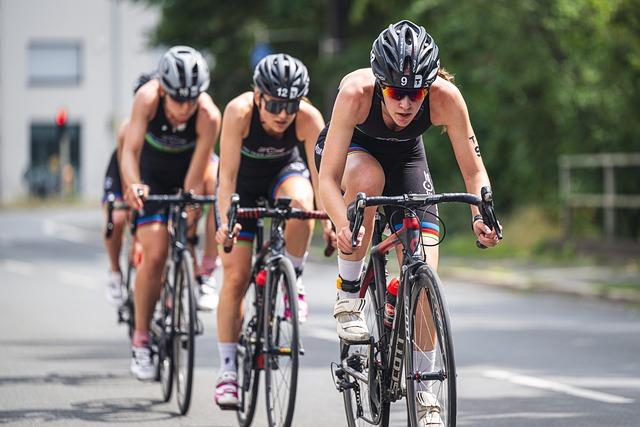
In a significant development for women’s cycling in Canada, Cycling Canada has issued a response following the controversial cancellation of its women’s team pursuit program. This decision, which has sparked considerable debate among athletes, advocates, and fans of the sport, raises questions about the future of women’s competitive cycling in the country. Cycling Canada is now facing scrutiny over its commitment to gender equity and the resources allocated to developing female athletes. As the cycling community rallies to voice its concerns, the organization must navigate a challenging landscape that balances funding, performance goals, and support for its athletes. This article delves into the implications of the program’s cancellation and the broader context of women’s cycling in Canada.
Cycling Canada Addresses Challenges Facing Women’s Team Pursuit Program
Cycling Canada has taken a proactive stance in addressing the recent concerns surrounding the cancellation of the women’s team pursuit program. In a statement released by officials, the organization acknowledged the barriers that women’s cycling has faced, including funding limitations, logistical challenges, and competitive disparities. They have committed to a thorough evaluation of the program’s future, highlighting key areas where strategies can be improved. The response emphasizes Cycling Canada’s dedication to ensuring that female athletes receive equitable support and opportunities within the cycling community.
To facilitate this commitment, Cycling Canada plans to implement a series of initiatives aimed at strengthening the women’s team pursuit program. Outlined in their response are several pivotal actions intended to foster a sustainable environment for women in cycling:
- Increased Funding: Seeking additional financial backing to enhance training and competition opportunities.
- Talent Development: Establishing mentorship programs pairing experienced cyclists with emerging talents.
- Community Engagement: Developing partnerships with local cycling clubs to promote women’s participation at grassroots levels.
- Performance Monitoring: Introducing a metrics system to regularly assess athlete performance and program outcomes.
Immediate Steps to Support Female Athletes and Ensure Future Growth
The recent decision to cancel the women’s team pursuit program has raised significant concerns within the cycling community. In light of this setback, immediate actions are essential to foster a supportive environment for female athletes in Canada. First and foremost, Cycling Canada must prioritize dialogue with the athletes and stakeholders affected by this decision. By establishing a transparent platform for feedback, the organization can better understand the challenges and aspirations of female cyclists. Additionally, implementing targeted funding initiatives to support women’s development programs will be crucial in ensuring sustainable progress. These programs should focus on enhancing technical skills, strength training, and competitive opportunities that can lead to greater representation at national and international levels.
Furthermore, a commitment to promoting visibility and recognition for female athletes is vital. This could be achieved through strategic partnerships with media outlets to highlight women’s cycling stories, achievements, and experiences. Hosting events specifically aimed at female cyclists can also encourage participation at grassroots levels. To streamline these efforts, it is essential to create a task force dedicated to women’s cycling, which will focus on advocacy, mentorship, and resource allocation. The table below outlines key initiatives that could be implemented over the next year:
| Initiative | Objective | Timeline |
|---|---|---|
| Establish Feedback Forums | Gather insights from female athletes | Q1 2024 |
| Increase Funding for Women’s Programs | Support training and competition | Ongoing |
| Host Women’s Cycling Events | Encourage participation and visibility | Throughout 2024 |
| Create Women’s Advocacy Task Force | Focus on long-term growth strategies | Q2 2024 |
Long-Term Vision for Women’s Cycling: Building a Sustainable Framework
The recent cancellation of the women’s team pursuit program has sparked significant discussion among stakeholders in the cycling community. To foster a more sustainable environment for women’s cycling, it is imperative for organizations like Cycling Canada to establish a long-term framework that encompasses multiple facets of the sport. This vision should include:
- Investment in Grassroots Development: Support for local clubs and youth programs that nurture female cyclists from an early age.
- Equitable Funding: Ensure that funding models prioritize women’s programs to provide them with the resources needed to thrive.
- Increased Visibility: Create more opportunities for women’s events in media coverage to engage sponsorship and fan interest.
Additionally, an effective strategy must address the structural barriers that currently hinder the progress of women in cycling. Implementing a consistent pipeline for talent identification can streamline the transition from grassroots to elite levels. To achieve this, Cycling Canada should consider the following components:
| Components | Goals |
|---|---|
| Training Programs | Provide comprehensive coaching and mentorship. |
| Events Calendars | Develop a balanced competitive schedule that highlights women’s races. |
| Collaborative Partnerships | Engage with businesses to secure sponsorships aimed at women’s cycling initiatives. |
In Summary
In conclusion, the cancellation of Canada’s women’s team pursuit program has sparked significant discussion within the cycling community and beyond. As Cycling Canada moves forward in addressing this decision, the organization’s commitment to supporting female athletes remains a focal point. Stakeholders, including athletes, coaches, and fans, are keenly watching how these changes will affect the future of women’s cycling in Canada. The response from Cycling Canada will be pivotal in navigating the challenges that lie ahead, ensuring that female cyclists continue to have access to vital resources and opportunities within the sport. As the conversation continues, the hope remains that this setback can be transformed into a catalyst for fostering greater support and investment in women’s cycling initiatives across the nation.