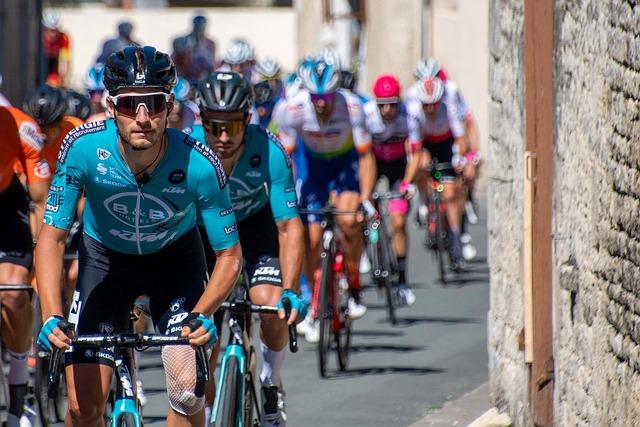
Title: A Slight Difference: Examining the Divide in Men’s and Women’s Cycling
In the world of cycling, a sport celebrated for its inclusivity and shared passion for the open road, a subtle yet significant disparity persists between men’s and women’s experiences. Despite recent strides toward equality-exemplified by increased media coverage, prize money, and professional opportunities-the chasm remains, revealing a complex landscape of challenges and triumphs. This article delves into the nuanced differences between men’s and women’s cycling, exploring various dimensions including competitive dynamics, sponsorship, and societal perceptions. As we cycle through the statistics and personal stories, we aim to illuminate the subtle distinctions that define this evolving sport and the ongoing quest for genuine parity within the cycling community.
Exploring the Gender Gap in Cycling Performance and Participation
The participation and performance of men and women in cycling reveal a complex landscape marked by both progress and persistent disparities. Statistics indicate that while women’s participation in organized cycling events has increased significantly over the past decade, they still account for only about 25% of competitive cyclists globally. In addition to lower participation rates, there remains a notable gap in performance metrics. Recent studies suggest that on average, elite male cyclists can ride 10-15% faster than their female counterparts. This difference, while often attributed to physiological factors such as muscle mass and aerobic capacity, is also influenced by socioeconomic and cultural factors that can limit opportunities for women in the sport.
To further understand this gender gap, it’s important to consider the various dimensions that contribute to it. Key areas of focus include:
- Access to Resources: Men often have greater access to training facilities, coaching, and sponsorships.
- Media Coverage: Women’s cycling events receive significantly less media attention, affecting visibility and opportunities.
- Social Perceptions: Traditional gender roles can discourage women from pursuing cycling seriously.
Addressing these issues requires concerted efforts from governing bodies, sponsors, and communities to create a more inclusive environment. Initiatives like women-only races, mentorship programs, and increased funding for women’s teams are crucial steps toward bridging this gap and ensuring that cycling is a sport where everyone, regardless of gender, has the chance to excel.
Analyzing Equipment and Training Disparities Between Male and Female Cyclists
In today’s cycling world, particularly in competitive arenas, there exists a notable disparity in both equipment accessibility and training opportunities between male and female cyclists. While men’s cycling has historically been prioritized in terms of sponsorships and funding, women continue to face challenges that hinder their performance and development. The difference in available resources can be highlighted through various factors such as:
- Sponsorship Agreements: Male cyclists generally secure more lucrative deals, which directly impacts their ability to access high-quality equipment and training.
- Category Representation: Events often feature a larger number of races for male cyclists compared to female counterparts, limiting competitive opportunities for women.
- Quality of Gear: Men often have a wider selection of gear and apparel, leading to a performance gap based on the equipment utilized.
To further illustrate the disparities, a data overview reveals stark contrasts in funding and resource allocation. Below is a table showcasing the averages of financial support and training days allocated for male versus female cyclists in elite competitions:
| Aspect | Male Cyclists | Female Cyclists |
|---|---|---|
| Average Sponsorship Value ($) | 120,000 | 75,000 |
| Training Days per Month | 20 | 12 |
| Event Participation Rate (%) | 80 | 50 |
Strategies for Bridging the Divide: Encouraging Inclusivity in the Cycling Community
To foster a more inclusive cycling community, we must prioritize the creation of welcoming environments that encourage participation from all individuals, regardless of their gender. Initiatives such as mentorship programs can help bridge gaps by pairing experienced cyclists with newcomers, offering guidance and support. Additionally, cycling clubs should strive to implement policies that promote gender diversity in leadership roles, ensuring that women have a seat at the table in decision-making processes. Another strategy involves hosting events that specifically target underrepresented groups, such as women, LGBTQ+ individuals, and people of color, showcasing diverse role models within the cycling world.
Furthermore, collaboration with community organizations can amplify outreach efforts, helping to introduce cycling as an accessible activity for everyone. Sharing resources such as bilingual materials and hosting free workshops can break down barriers and provide equal opportunities for learning. Online platforms can also serve as powerful tools for inclusivity, where forums and social media campaigns highlight stories from diverse cyclists, fostering a sense of belonging. Investing in these initiatives not only enriches the cycling community but also cultivates a culture of respect and mutual support among all participants.
To Conclude
In conclusion, the exploration of “A Slight Difference” in men’s and women’s cycling reveals not only the disparities in performance and participation rates but also the broader societal implications that these differences entail. As the cycling community continues to evolve, the push for equality within the sport is gaining momentum, with advocacy from riders, sponsors, and fans alike. Bridging the gap requires a concerted effort across various levels-from grassroots initiatives to high-profile sponsorships. As we move forward, it is crucial to recognize and address these discrepancies, ensuring that all cyclists, regardless of gender, have equal opportunities to thrive and excel. By fostering inclusivity and support for women’s cycling, we can help pave the way for a more balanced and equitable future in the sport. For more in-depth analysis and coverage of this ongoing issue, visit magazinebike.com.