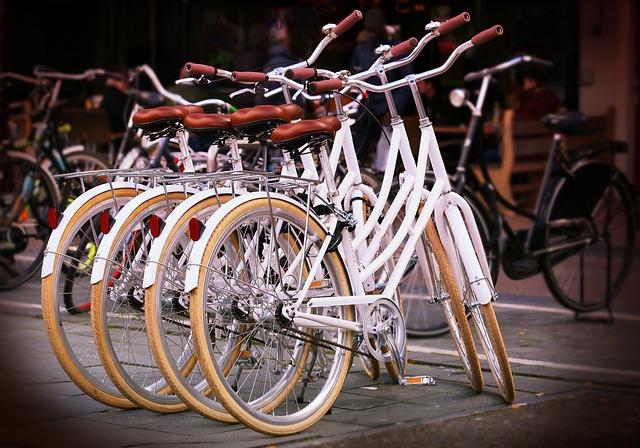
In cities worldwide, a quiet revolution is underway as commuters increasingly turn to small bikes to navigate congested streets and reduce their carbon footprint. “Small Bike, Big Commute” explores how compact bicycles-ranging from foldable models to nimble electric variants-are transforming daily travel. With traffic gridlocks worsening and public transit systems stretched thin, these agile two-wheelers offer a practical, efficient alternative for millions seeking faster, greener ways to get to work. This article examines the rise of small bikes in urban commuting, the challenges riders face, and what this trend means for the future of city transportation.
Choosing the Right Small Bike for Urban Commuting
When selecting a compact bike for navigating city streets, prioritizing maneuverability and storage convenience can transform your daily ride. Urban environments demand agility to swiftly weave through traffic and tight spaces, making features like a lightweight frame and narrow tires essential. Moreover, folding mechanisms or modular parts add significant value, allowing easy storage in crowded apartments or public transport. Don’t overlook the importance of durable material that withstands weather variations, and consider models with built-in racks or panniers for carrying essential gear without compromising speed.
Additionally, understanding the battery life and motor assistance of e-bikes plays a crucial role in sustaining energy over long commutes. To aid in your decision, evaluate key specs aligned with city riders’ needs through the table below:
| Feature | Ideal for Urban Commuting |
|---|---|
| Weight | Under 15 kg |
| Wheel Size | 16-20 inches |
| Foldability | Yes, compact fold |
| Battery Range (E-bike) | 30-50 km |
| Storage Options | Rear rack or basket |
- Compact Design: Easier to navigate crowded lanes and store.
- Reliable Brakes: Essential for quick stops in stop-and-go traffic.
- Integrated Lighting: Increases visibility during early mornings or late evenings.
Maximizing Efficiency and Comfort on Compact Two-Wheelers
Optimizing performance on compact two-wheelers requires a thoughtful balance between agility and comfort. Riders benefit immensely from tweaking suspension settings to tailor rides for urban potholes and uneven roads, ensuring a smoother journey without compromising on control. Additionally, investing in ergonomic seats and adjustable handlebars can transform short commutes into fatigue-free experiences. Proper tire pressure and selecting tires designed for city use further enhance grip and fuel efficiency, making every drop count during stop-and-go traffic.
Smart storage solutions also play a pivotal role in enhancing daily usability without sacrificing the streamlined silhouette of these bikes. Consider installing compact luggage racks, under-seat compartments, or handlebar hooks for carrying essentials securely. Below is a quick comparison of popular modifications that boost both efficiency and rider comfort while maintaining the nimble nature of small motorcycles:
| Upgrade | Benefit | Estimated Cost |
|---|---|---|
| Adjustable Suspension | Improved ride stability | $100 – $300 |
| Ergonomic Seat | Reduced rider fatigue | $80 – $200 |
| Urban Tires | Enhanced grip & mileage | $60 – $150 |
| Compact Storage Solutions | Greater convenience | $20 – $100 |
Essential Safety Tips and Gear for Small Bike Riders
Riding a compact bike through busy urban streets demands vigilance and the right protective equipment. First and foremost, investing in a well-fitting helmet is non-negotiable; it significantly reduces the risk of head injury during sudden stops or collisions. Complement the helmet with high-visibility clothing-think neon jackets and reflective strips-to enhance your presence on the road, especially under low-light conditions. Additionally, durable gloves ensure a steady grip on handlebars, while padded shorts increase comfort during longer rides, preventing fatigue that might otherwise compromise attention and control.
Equipping your small bike with specialized gear tailored for urban commutes can amplify both safety and convenience. The following table highlights essential items every rider should consider:
| Gear | Purpose | Recommended Feature |
|---|---|---|
| Helmet | Head protection | Adjustable fit, ventilation |
| Reflective Vest | Visibility | 360° reflectivity |
| Lights (Front & Rear) | Nighttime signaling | Rechargeable, flashing modes |
| Bell or Horn | Alert pedestrians & vehicles | Loud, compact design |
The Way Forward
As urban centers continue to grapple with congestion and environmental concerns, the rise of small bikes in daily commutes signals a shift in how cities are navigating transportation challenges. Compact, efficient, and increasingly versatile, these nimble vehicles are carving out a significant niche in the landscape of urban mobility. For many riders, the benefits extend beyond mere convenience-small bikes offer an affordable, eco-friendly alternative that redefines the daily journey. As cities evolve, keeping an eye on this emerging trend will be essential to understanding the future of commuting.