Gear Up for Foul-Weather Riding: Essential Tips for Safe Cyclists
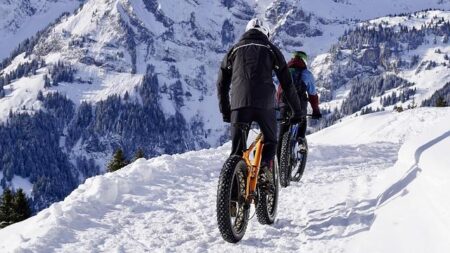
As the seasons shift and colder, wetter weather sets in across the country, cyclists are faced with the reality of riding in less-than-ideal conditions. While many may be tempted to hang up their helmets until spring, a dedicated and spirited community continues to hit the roads and trails, undeterred by rain, snow, and gusty winds. For these intrepid riders, understanding how to prepare for foul weather is not just a matter of comfort but a crucial aspect of staying safe on two wheels. In this article, we’ll explore the essential gear and preparation tips that every cyclist should consider to make the most out of their foul-weather rides, ensuring that they can ride confidently, regardless of the forecast.
Essential Gear for Rainy Rides to Keep You Dry and Comfortable
When it comes to tackling the wet roads, the right equipment can make all the difference in ensuring an enjoyable ride. Waterproof jackets are essential, designed with breathable yet impermeable fabrics to keep you dry without compromising on ventilation. Look for features like adjustable hoods, cuffs, and zippers that seal out rain, along with reflective strips for visibility on gloomy days. Water-repellent pants are another must-have, providing not only protection from the elements but also ensuring warmth during brisk rides. Pairing these essentials with durable waterproof gloves helps maintain a firm grip on your handlebars without letting the rain dampen your comfort.
In addition to protective clothing, investing in waterproof footwear is crucial for maintaining comfort. Boots or shoes with sealed seams and non-slip soles are ideal for optimizing traction on slick surfaces. For those long rides, incorporating specialty gear such as a handlebar-mounted rain cover or a saddle bag with waterproof compartments can safeguard your essential belongings. These accessories work to maintain the integrity of your gear while adding an extra layer of protection against rain. Additionally, consider using a chain protector to keep your bike’s components rust-free and functioning smoothly despite the wet conditions. Remember, staying dry and comfortable not only elevates your riding experience but also boosts your confidence on the road.
Navigating Slippery Roads: Tips for Enhanced Safety and Control
When navigating roads slick with rain or ice, the right techniques can significantly enhance your safety and control. First and foremost, reduce your speed. Slower speeds allow more time to react to changes in traction and avoid skids. Additionally, maintaining a distance of at least four seconds from the vehicle ahead can help you adjust more smoothly under slippery conditions. Steering gently is crucial; sudden movements can lead to loss of traction and control, particularly on turns or when changing lanes. Remember to utilize low gears when going downhill to enhance your vehicle’s braking ability.
Preparation goes beyond just adjusting driving habits. Ensure your vehicle is equipped for challenging weather by checking the condition of tires and brakes regularly. Consider the following checklist before hitting the road:
| Item | Status |
|---|---|
| Tires | Check tread depth and pressure |
| Wiper blades | Ensure clarity for visibility |
| Fluids | Top up windshield washer and brake fluids |
| Lights | Inspect all exterior lights |
By adhering to these guidelines and routinely checking your vehicle’s readiness, you can significantly lower the risk of accidents during adverse weather conditions.
Maximizing Visibility in Poor Weather Conditions for a Safer Journey
When tackling the challenges of poor weather conditions, enhancing visibility is paramount for safety on the roads. Riders should prioritize the use of high-visibility gear, including jackets and helmets that feature reflective materials. These elements serve as beacons for other road users, making it easier to spot a rider amidst rain or fog. The following items can amplify your visibility:
- Reflective Tape: Applying reflective tape to your bike and gear can create additional light reflection, especially during night rides or low-visibility situations.
- Bright-Colored Clothing: Opt for neon or bright colors that stand out against dreary weather, ensuring drivers can see you from a distance.
- Illuminated Accessories: Lights attached to your bike or accessories, such as helmets or backpacks, further enhance your profile in inclement weather.
In addition to wearing visibility-enhancing gear, using technology to boost awareness of your surroundings is crucial. Consider equipping your motorcycle with advanced lighting systems that improve road illumination and increase visibility to others. The table below outlines various technological enhancements that can be integrated into your riding setup:
| Technology | Description |
|---|---|
| LED Headlights | Brighter and longer-lasting than standard bulbs, illuminating the road better. |
| Brake Lights with Flash | Flashing brake lights attract attention and indicate stopping more noticeably. |
| Fog Lights | Designed to cut through fog and rain, enhancing visibility during poor conditions. |
Key Takeaways
As the seasons shift and adverse weather conditions become more prevalent, it’s essential for riders to prioritize safety and preparedness. By investing in quality gear, honing their riding techniques, and staying informed about weather patterns, cyclists can confidently navigate treacherous terrains. Whether it’s rain, wind, or the chill of cold temperatures, proper planning ensures that your love for riding endures, regardless of the forecast. Stay safe, stay informed, and gear up to tackle the elements head-on. Happy riding!