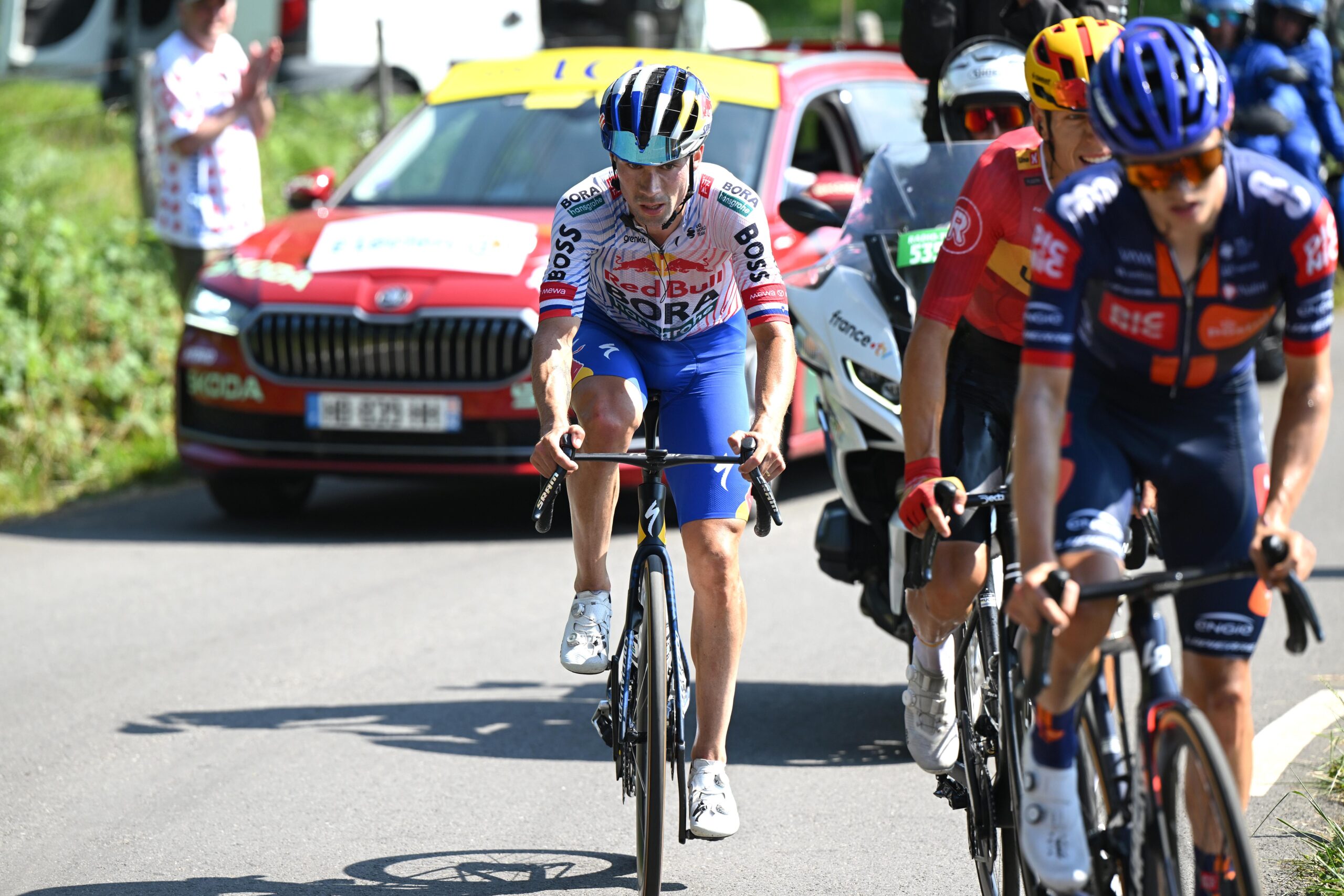
As the sun blazes down on the scenic routes of the Tour de France, riders are not just battling each other but also the sweltering heat that can turn the race into a grueling test of endurance. With temperatures soaring and conditions often fluctuating throughout the three-week event, cyclists face an added challenge that goes beyond mere competition. Expertly trained and meticulously prepared, the athletes employ a range of strategies to adapt to the oppressive heat, from hydration techniques to dietary adjustments and cooling technologies. In this article, we delve into the science and tactics behind how these elite athletes manage to stay cool under pressure, ensuring they can sustain peak performance while paving their way through one of the most demanding sporting events in the world.
Adapting Strategies of Tour de France Riders to Extreme Heat Conditions
As temperatures soar during the Tour de France, cyclists employ a series of strategic adaptations to cope with the extreme heat. One major approach involves meticulous hydration strategies that are tailored to individual needs. Riders often consume electrolyte-rich beverages and regularly replenish fluids before, during, and after stages. They also adjust training regimens leading up to the race, incorporating heat acclimatization techniques to better adapt their bodies to high temperatures. Key components of these strategies include:
- Cooling vests worn before races to lower core body temperature.
- Increased fluid intake, integrating specific hydration formulas to balance electrolytes.
- Pre-cooling methods, such as ice packs on pulse points, prior to stages.
Nutrition plays a crucial role as well, with riders focusing on high-carb diets to fuel their performance while minimizing dehydration risks. Some teams employ team doctors and nutritionists to devise personalized meal plans, ensuring that riders consume appropriate foods that help maintain energy levels and hydration. Beyond diet and hydration, bicycle modifications are also a key strategy. A shift to lighter gear and aerodynamic designs can help mitigate the added stress of heat, allowing for better performance. Teams may utilize temperature-resistant tires and consider tire pressure adjustments to enhance grip on hot asphalt, leading to safer and faster rides.
Nutritional Interventions and Hydration Techniques for Optimal Performance
In the relentless heat of the Tour de France, riders employ a range of strategic nutritional interventions to maintain peak performance. These elite athletes meticulously plan their diets not only to fuel their bodies but to combat the wear and tear of prolonged exertion under scorching conditions. Key components of their nutritional strategy include:
- Electrolyte Balance: Consuming sodium, potassium, and magnesium helps prevent cramping and maintains fluid balance.
- Carbohydrate Loading: Prior to races, cyclists increase their carbohydrate intake to maximize glycogen stores, providing energy during the long stages.
- Frequent Snacks: To counter energy depletion, riders often consume energy gels, chewy bars, or fruit during breaks.
Moreover, hydration techniques are equally critical. Maintaining optimal hydration levels is vital to prevent fatigue and overheating. Tour de France cyclists often rely on a systematic approach to hydration that includes:
- Pre-hydration: Riders begin hydration strategies before the race to ensure their bodies are adequately prepared.
- During-Ride Hydration: They use specialized water bottles containing electrolyte drinks, meticulously timed to coincide with their exertion levels.
- Post-Ride Recovery: A focus on rehydration with recovery drinks rich in carbohydrates and proteins to restore lost nutrients.
| Nutritional Focus | Purpose |
|---|---|
| Hydration | To prevent dehydration and maintain performance |
| Carbohydrates | Fuel for sustained energy during long rides |
| Electrolytes | To maintain muscle function and prevent cramping |
Innovative Technology and Gear Enhancements to Combat Heat Stress
As extreme temperatures become commonplace during the Tour de France, teams are adopting advanced technologies to safeguard riders against heat stress. Cooling vests equipped with phase change materials efficiently absorb body heat, enabling cyclists to maintain optimal core temperatures before and during races. The integration of smart textiles is revolutionizing cycling gear; these fabrics feature moisture-wicking properties and embedded sensors that monitor heat levels, allowing riders and support staff to make real-time adjustments to hydration and cooling strategies.
Nutrition also plays a vital role in combating heat stress. Teams are implementing tailored electrolyte formulations designed to replenish minerals lost through sweat while also enhancing thermal regulation. Further, riders increasingly rely on wearable devices that track biometric data, providing insights into individual responses to heat. These cutting-edge enhancements not only improve performance but also prioritize safety, creating a more resilient and adaptable approach to one of the toughest sporting events in the world.
Concluding Remarks
As the intensity of the Tour de France continues to rise, so too does the demand on riders to adapt to varying climate conditions, particularly the soaring summer temperatures. From innovative cooling strategies to meticulous hydration plans, cyclists are employing a range of techniques to maintain peak performance in the heat. The data suggests that those who can effectively manage their body temperatures during grueling stages hold a significant advantage over their competitors.
In the face of an increasingly unpredictable climate, it is evident that preparation goes beyond rigorous training and nutrition. Teams are now leveraging advanced technology and sports science to ensure their athletes are equipped to battle the elements. As the peloton navigates the demands of the course, the adaptation to heat becomes a crucial element of their ongoing quest for victory.
As we follow the riders through the mountains and valleys, it becomes clear that their resilience is not just tested by the route, but by the environment in which they compete. With a growing emphasis on developing adaptive strategies, the Tour de France is as much a triumph of human endurance as it is of innovative science. The race against the clock is matched only by the race against the heat, highlighting the extraordinary efforts made by athletes and teams to stay ahead in this iconic competition.