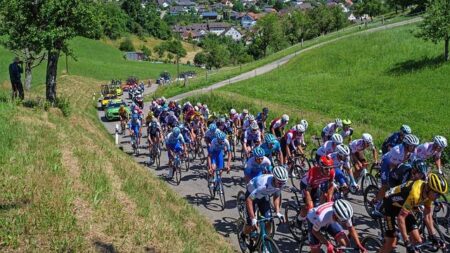
In the lead-up to the highly anticipated UCI Road World Championships, reigning cyclocross world champion Mathieu van der Poel has cast doubt on his chances of success in the event, describing the course as “a little too difficult” for his current form. The Dutch cycling star, renowned for his exceptional versatility and formidable racing skills, hinted at challenges posed by the demanding terrain and varied conditions that characterize the championship course. As fans and competitors alike speculate on his potential performance, van der Poel’s cautious outlook adds an intriguing layer to the narrative ahead of one of cycling’s most prestigious events. With the championship set to test the limits of even the most seasoned riders, all eyes will be on van der Poel as he navigates the expectations and pressures of elite competition.
Mathieu van der Poel Reflects on World Championships: Acknowledging the Challenge Ahead
In a candid reflection, Mathieu van der Poel addressed the upcoming World Championships, openly acknowledging the substantial hurdles he faces. Acknowledging the intense competition and challenging course, he remarked, “It might be a little too difficult for me this time.” As a seasoned competitor, van der Poel understands the physical and mental demands that come with this prestigious event, especially in light of the world-class talent that will be at the starting line. Cyclists like Tadej Pogačar and Wout van Aert not only pose fierce competition, but their consistent performances throughout the season add to the complexity of the challenge ahead.
The Dutch rider’s humility resonates with many, as he emphasizes the importance of preparation and adaptability. Key factors that he believes will influence performance include:
- Course Conditions: The unpredictability of weather and terrain can dramatically alter race dynamics.
- Physical Form: Peak conditioning is crucial, though he admits to ongoing recovery and training adjustments.
- Mental Resilience: Staying focused amid high-pressure scenarios can make or break a cyclist’s performance.
As the championship approaches, van der Poel remains focused on maintaining his competitive spirit, but also on enjoying the journey rather than just the outcomes. “Every race is an opportunity to learn and grow,” he states, highlighting his commitment to continuous improvement in the face of adversity.
Analyzing Competitive Landscape: Key Factors Influencing van der Poel’s Performance
In the lead-up to the World Championships, Mathieu van der Poel’s modest assessment of his own capabilities highlights several critical factors that may significantly influence his performance. First and foremost, the level of competition is exceptionally high, with formidable rivals such as Wout van Aert and Tom Pidcock, both of whom possess a strong track record in high-stakes races. Additionally, the terrain and weather conditions at the event might play a crucial role; riders accustomed to specific types of courses and climates may have a distinct advantage. Lastly, van der Poel has mentioned physical limitations stemming from recent injuries, which could hinder his preparation and overall race strategy.
Moreover, the psychological aspect of competition cannot be overlooked. Many athletes experience pressure during high-profile events, and van der Poel’s candid comments reflect his awareness of the stakes involved. The following factors are essential when analyzing his psychological readiness and potential performance:
- Public Expectations: Given his status as a favorite, how he copes with the pressure could affect his race day mindset.
- Self-Confidence: Acknowledging difficulties can lead to a more focused and resilient performance.
- Support Team Dynamics: The role of his coaching staff and team environment can significantly impact his mental state.
Strategic Perspectives: Recommendations for van der Poel to Maximize World Championship Potential
To elevate his chances in the upcoming World Championships, van der Poel could consider several critical strategies. First and foremost, a focused training regimen that emphasizes endurance and technical skills on varied terrains would be beneficial. This could include:
- High-Intensity Interval Training (HIIT): To boost aerobic capacity and recovery speed.
- Technical Skill Drills: Particularly in challenging environments to enhance handling and bike control.
- Simulated Race Conditions: Practicing under race conditions can improve adaptability and mental toughness.
Furthermore, establishing a clear race strategy based on course analysis will be vital. This strategy may incorporate:
- Identifying Key Segments: Pinpointing the most challenging sections of the course for optimal positioning.
- Team Support Tactics: Collaborating with teammates to manage pace and block opponents during critical moments.
- Nutritional Plans: Ensuring peak hydration and energy levels leading up to and during the race.
In Summary
In conclusion, Mathieu van der Poel’s modest assessment of his chances at the upcoming World Championships reflects both his humility and the immense pressure that accompanies elite competition. As he prepares for a challenging course that may not play to his strengths, the cycling community remains captivated by the resilience and determination of this exceptional athlete. While van der Poel downplays his prospects, his unpredictable nature on the bike leaves room for surprises. As the championships approach, fans and rivals alike will be watching closely to see how the reigning champion navigates the trials ahead. Whether he surpasses his own expectations or not, one thing is certain: van der Poel’s passion for the sport continues to inspire many.