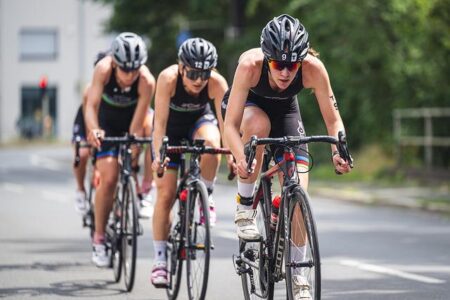


Title: British Cycling’s Ambitious Women’s Strategy Aims to Revolutionize the Sport
In a bold move to elevate the presence and participation of women in cycling, British Cycling has unveiled a comprehensive women’s strategy designed to drive inclusivity and growth within the sport. As interest in cycling surges across the United Kingdom, stakeholders have identified the need for a focused approach to support female cyclists at all levels. This groundbreaking initiative outlines key objectives and actionable steps that aim to dismantle barriers and ensure women not only participate but thrive in the cycling community. With a commitment to fostering talent, enhancing visibility, and creating equitable opportunities, British Cycling’s strategy seeks to inspire a new generation of female riders, paving the way for a more inclusive and balanced future in the sport. As the organization gears up to implement this far-reaching plan, the cycling world watches closely, assessing its potential to reshape the landscape for women cyclists across the nation.
British Cycling’s Women’s Strategy: Aiming for Equality on Two Wheels
British Cycling’s comprehensive strategy focuses on fostering a more inclusive environment for women in the sport, aiming to boost participation at all levels. Key components of this initiative include:
- Enhanced Support Structures: Programs designed to offer mentorship and coaching tailored specifically for women.
- Increased Visibility: A commitment to showcase women’s cycling events through dedicated media partnerships.
- Resource Allocation: Funding directed towards women’s teams and competitions, ensuring equal opportunities in races and infrastructure.
The strategy emphasizes community engagement, understanding that cycling can be a transformative experience for women of all ages. To achieve this, British Cycling is collaborating with local clubs to create more women-specific events and training sessions. A recent analysis of membership data revealed that women’s participation has grown steadily, yet there’s a substantial push to reach gender parity in cycling. By implementing regular feedback loops, British Cycling aims to continuously adapt its approach based on the needs and experiences of female cyclists.
Empowering Female Cyclists: Key Initiatives and Challenges Ahead
British Cycling has set forth a bold strategy aimed at elevating the presence and participation of women in cycling across the UK. This initiative focuses on increasing access to cycling for women at all levels, from grassroots to elite competition. Key components of this strategy include:
- Community Engagement: Developing local clubs and groups specifically for women to create supportive environments.
- Training Programs: Offering tailored coaching sessions that cater to the different skill levels and interests of female cyclists.
- Event Participation: Expanding the calendar of women’s cycling events to encourage more females to engage in competitive cycling.
- Visibility Campaigns: Highlighting successful female cyclists and showcasing their achievements to inspire others.
Despite the enthusiastic approach, challenges remain in fully realizing this vision. A persistent gender gap in cycling participation continues to hinder progress. Key challenges include:
- Safety Concerns: Addressing the fear of road cycling and ensuring safer riding conditions for women.
- Social Barriers: Cultural perceptions that deem cycling as male-dominated can deter women from participating.
- Lack of Representation: Ensuring diversity in leadership roles within cycling organizations to champion women’s voices and issues.
- Funding and Resources: Securing financial support to maintain and expand programs dedicated to women cyclists.
Fostering a Culture of Inclusion: Recommendations for Sustainable Growth
To create a thriving environment for women’s cycling in the UK, it’s essential to implement comprehensive strategies that promote participation at all levels. This involves engaging with local communities and cycling clubs to nurture grassroots programs that cater specifically to women. By focusing on accessible training opportunities, targeting historically underrepresented groups, and providing mentoring from role models, British Cycling can ensure that the women’s cycling community is diverse and vibrant. Enabling partnerships with schools and universities can also tap into a younger audience, encouraging a lifelong passion for cycling that supports future growth.
Another pivotal aspect of fostering a culture of inclusion lies in the recognition and visibility of women’s achievements in cycling. Highlighting female athletes and their stories through media coverage and social media channels can inspire future generations while providing necessary role models. Furthermore, developing female-centered events and campaigns can draw attention to the unique contributions of women in the sport. British Cycling should prioritize training opportunities for female coaches and officials to ensure representation in leadership roles, thus creating a feedback loop that empowers and motivates more women to take part in cycling at competitive levels.
Final Thoughts
In conclusion, British Cycling’s women’s strategy marks a significant step forward in promoting gender equality within the sport. With a comprehensive plan that prioritizes participation, performance, and visibility, the initiative aims to empower female cyclists at all levels. As the organization seeks to build on its commitments through targeted programs and partnerships, the hope is that more women will take to the roads and trails, contributing to a vibrant and diverse cycling community. The success of this strategy will ultimately hinge on sustained engagement and support, ensuring that the momentum gained continues to inspire future generations of female cyclists in the UK. As British Cycling moves forward, the cycling world will be watching closely to see how these ambitious goals evolve into tangible results on the ground.