

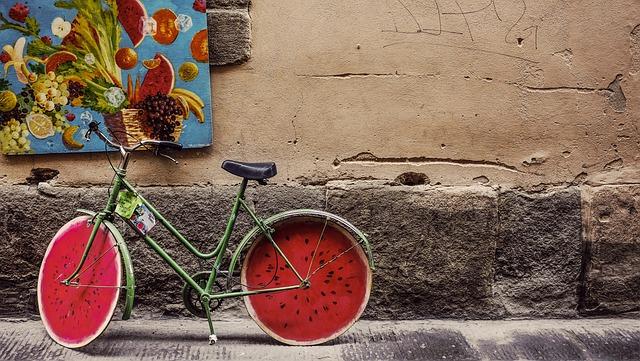
As the cycling world pedals into a new era of innovation and sustainability, the timeless allure of two wheels continues to captivate riders of all ages. “Bikes Old And New: An Epilogue” explores the fascinating journey of bicycles-from vintage classics that evoke nostalgia to cutting-edge models engineered for the future. This article takes readers through the evolution of design, technology, and culture that has shaped cycling’s past and present, offering a reflective look at the enduring impact of bikes on society.
Evolution of Bicycle Design Shaping Modern Riding Experiences
The journey from the heavy, unwieldy velocipedes of the 19th century to today’s sleek carbon fiber machines is a testament to innovation and user-centric design. Early bicycles prioritized function over comfort, featuring large front wheels and minimal suspension, which made riding a test of endurance rather than enjoyment. Modern advances have revolutionized the entire riding experience by introducing lightweight frames, ergonomic saddles, and advanced gearing systems that cater to diverse terrains and rider preferences. These changes not only improve speed and efficiency but also significantly enhance rider comfort and safety.
Key innovations that have shaped contemporary bicycles include:
- Introduction of multi-gear drivetrains, allowing seamless adaptation to varied landscapes.
- Use of durable, lightweight materials like aluminum and carbon fiber to boost performance.
- Enhanced braking systems, such as hydraulic disc brakes, providing superior control.
- Development of suspension technology for smooth rides across challenging conditions.
| Era | Design Focus | Impact on Cycling |
|---|---|---|
| 1800s | Basic propulsion & stability | Inception of personal two-wheel transport |
| 1920s-50s | Durability & utility | Expanded cycling to commuting and sport |
| 1980s-2000s | Performance & lightness | Rise of competitive racing & mountain biking |
| 2010s-Present | Technology & eco-friendliness | Integration of e-bikes and smart components |
Comparing Classic Models with Contemporary Innovations for Everyday Riders
Everyday riders stand at a fascinating crossroads where the charm of classic bikes meets the relentless march of contemporary innovations. Traditional models boast time-tested craftsmanship and a simplicity that resonates with purists – their steel frames and analog components offering reliability and ease of maintenance unmatched by many modern machines. These bikes often feature minimalistic designs and evoke a sense of nostalgia, which not only appeals aesthetically but also fosters a deeper connection between rider and road. In contrast, today’s innovations prioritize enhanced comfort, safety, and performance through technological advancements like integrated electronic shifting systems, lightweight carbon frames, and smart connectivity features.
When evaluating the practical advantages for daily commuters, certain contemporary features stand out:
- Electric-assist motors that reduce physical strain over long distances
- Advanced suspension systems ensuring smoother rides on varied terrains
- Reflective coatings and LED lighting which improve visibility and safety
| Feature | Classic Models | Contemporary Innovations |
|---|---|---|
| Weight | Heavier steel frames | Lightweight carbon & alloy |
| Technology | Manual gears, mechanical brakes | Electronic shifting, hydraulic brakes |
| Comfort | Basic saddle, simpler suspension | Ergonomic seats, advanced suspension |
| Maintenance | Simple & DIY-friendly | Requires specialized tools & knowledge |
Expert Tips for Maintaining Vintage Bikes and Integrating New Technologies
Preserving vintage bikes demands a blend of patience, precision, and reverence for classic mechanics. Regular inspection of steel frames for rust spots and timely application of corrosion inhibitors protect these precious metals from decay. Lubrication isn’t just about chain care; it extends to every moving part including the brake pivots and headset bearings, ensuring smooth operation without compromising authenticity. Experts recommend sourcing period-correct components or opting for high-quality modern equivalents when originals wear beyond repair, keeping the bike’s soul intact while guaranteeing reliability on the road.
Integrating modern technologies sensitively can elevate the vintage riding experience without overshadowing the bike’s heritage. Installing discreet LED lighting systems powered by compact lithium-ion batteries enhances visibility and safety during night rides. Meanwhile, wireless gear-shifting modules can be adapted to older frame geometries, offering precision without unsightly cables. Below is a quick-reference table showcasing compatibility tips for merging classic aesthetics with contemporary tech:
| Vintage Component | Modern Upgrade | Installation Tip |
|---|---|---|
| Steel Frame | Lithium-Ion Battery Pack | Mount under downtube, using vintage clamps |
| Mechanical Shifters | Wireless Electronic Shifters | Hide receivers inside handlebar ends |
| Traditional Lighting | LED Head & Tail Lights | The Way Forward As the journey through the history and evolution of bicycles comes to a close, it is clear that these two-wheeled machines continue to capture the imagination of riders worldwide. From the classic charm of vintage models to the cutting-edge innovations of today’s designs, bikes embody a unique blend of tradition and technology. Whether as a mode of transportation, a sport, or a symbol of sustainability, bicycles remain an enduring fixture in our lives. As the industry pedals forward, one thing remains certain: the story of bikes old and new is far from over. Related Posts    |