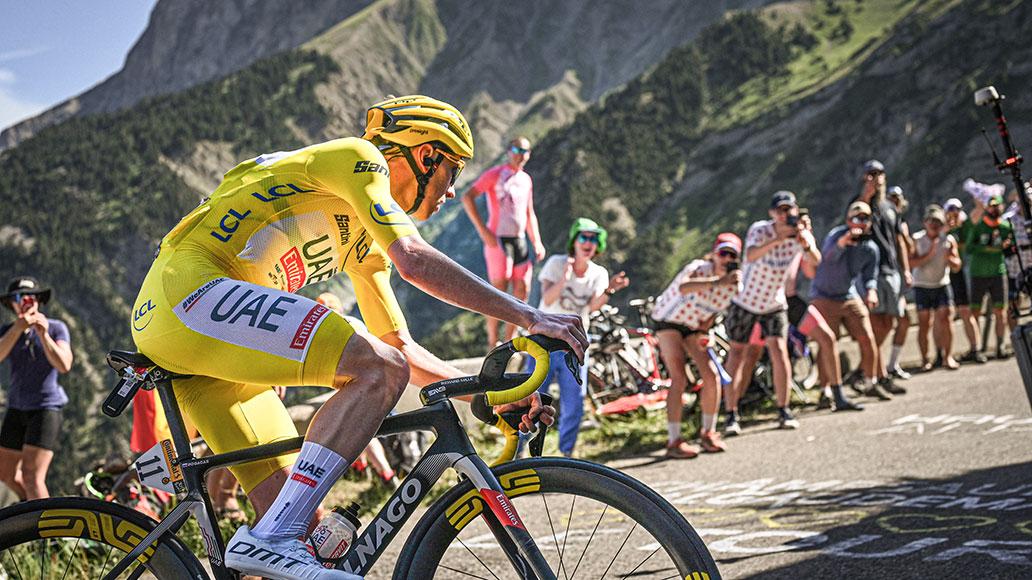
As cycling enthusiasts around the globe gear up for the prestigious Tour de France, the excitement is not limited to the men’s race. The introduction of the Tour de France Femmes, which made its long-awaited return in 2022 after a 33-year hiatus, has ignited conversations about gender equality in the sport. Both events, steeped in rich tradition and fierce competition, showcase some of the world’s best cyclists, yet they also embody distinct narratives shaped by history and societal expectations. In this article, we explore three key differences and similarities between the Tour de France and the Tour de France Femmes, shedding light on how each race uniquely contributes to the evolving landscape of professional cycling.
Tour de France and Tour de France Femmes: An Overview of the Historic Races
The Tour de France and its female counterpart, the Tour de France Femmes, are two of the most prestigious cycling races in the world, each with its own unique history and significance. The Tour de France, established in 1903, has long been a symbol of endurance and athleticism in men’s cycling, traversing some of the most challenging terrains across France and beyond. On the other hand, the Tour de France Femmes made its official debut in 2022, reviving the tradition of women’s Tour races that had been absent for over three decades, and seeking to elevate women’s cycling to the same esteemed level as the men’s race.
Both events share some pivotal attributes, yet also exhibit noteworthy differences. Key similarities include:
- International Appeal: Both races attract top cyclists from around the globe, showcasing the best of the sport.
- Challenging Terrain: Each race features grueling climbs and unpredictable weather, testing the limits of the riders.
- Legacy: Each event embodies a rich tradition, inspiring generations of cyclists and fans alike.
Nonetheless, there are crucial distinctions that highlight the evolving landscape of competitive cycling. These include:
| Aspect | Tour de France | Tour de France Femmes |
|---|---|---|
| Inception | 1903 | 2022 |
| Race Length | Approximately 3 weeks | 8 days |
| Stage Count | 21 stages | 8 stages |
Understanding these facets offers insights into how each race evolves and adapts, reflecting broader societal changes and the growing recognition of women in professional sports. As both events continue to flourish, they contribute significantly to the global cycling narrative, ensuring that cycling fans have exciting competitions to look forward to each year.
Athletic Challenges and Competitive Dynamics in Both Tours
The competitive dynamics of the Tour de France and the Tour de France Femmes highlight the distinct athletic challenges faced by male and female cyclists alike. In both events, racers encounter punishing terrains, strategic team alliances, and the psychological pressure of high-stakes racing. However, the nature of these challenges differs, shaped by varying race lengths, formats, and historical contexts. While both tours comprise a variety of stages, including time trials and mountain climbs, the Tour de France typically features longer distances and a greater number of stages, putting a different physical toll on its contenders. Cyclists in both tours must possess a robust combination of endurance, speed, and tactical acumen to navigate the demanding courses successfully.
Moreover, the competitive dynamics within each tour offer a fascinating study in sportsmanship and rivalry. Notably, the evolution of team strategies reflects the growing prominence of women in the sport, leading to more cohesive team efforts in the Femmes tour. Important elements include:
- Team Composition: Teams often exhibit different strengths, with women riders showcasing unique teamwork methods to support each other over varying landscapes.
- Rivalries: While male competitors have established long-standing rivalries, emerging female athletes are creating their own stories of competition.
- Media Coverage: The intensity and focus of media attention can influence race dynamics, affecting both psychological pressure and motivation among cyclists.
The Future of Women’s Cycling: Insights and Recommendations for Growth
The realm of cycling has witnessed a significant evolution in recent years, particularly with the rise of women’s events like the Tour de France Femmes. While both the Tour de France and Tour de France Femmes share a passion for competitive cycling, they also exhibit distinct differences that reflect broader societal changes. For instance, the age-old Tour de France has traditionally been steeped in history, dating back to 1903, whereas the Tour de France Femmes was reestablished in 2022 after a long absence since its initial run began in 1955. This historical disparity highlights the longstanding gap in recognition for female cyclists, yet increasingly, the two events are being perceived as equally significant within the sports landscape, fostering greater awareness and enthusiasm for women’s cycling.
To propel women’s cycling into a promising future, it is vital for stakeholders and organizations to focus on several key avenues. Among them are:
- Increased visibility of female athletes through media coverage.
- Enhanced financial support and sponsorship opportunities for women’s teams.
- The development of grassroots programs to inspire young girls to engage in cycling.
As these initiatives gain traction, they hold the potential to not only elevate the profile of events like the Tour de France Femmes but also to cultivate a new generation of cyclists who will propel the sport into new, uncharted territories. Both races reflect a pivotal shift towards inclusivity and equality, making it imperative for the cycling community to invest in and promote the future of women’s cycling.
To Conclude
In conclusion, the Tour de France and the Tour de France Femmes represent not only the pinnacle of competitive cycling but also a reflection of the evolving landscape of the sport. As we’ve explored, the two races share the same commitment to excellence and endurance, each captivating fans around the globe with their rich histories and charismatic athletes. However, they diverge significantly in terms of format, media coverage, and historical context, highlighting the unique challenges and triumphs faced by women in professional cycling.
As the Tour de France Femmes continues to gain momentum, it serves as a crucial platform for promoting gender equality in sports and inspiring the next generation of female athletes. Together, both events contribute to a vibrant cycling culture, reminding us that competition, perseverance, and passion know no gender. As we look ahead, fans and athletes alike can anticipate exciting developments that will further bridge the gap between these two iconic races, with hopes of continued growth and increased recognition for women’s cycling.