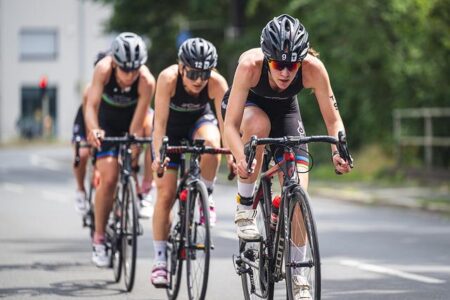
In a move that promises both excitement and controversy, the 2027 Giro d’Italia Women is set to unveil a challenging route designed to push the limits of the world’s top female cyclists. However, as the organizers boast of a course that takes riders ‘up to 11’ on the difficulty scale, questions arise regarding the potential for competitive jeopardy throughout the race. With steep climbs and demanding terrains, the route may favor a select few riders, possibly undermining the strategic intrigue that typically defines grand tours. In this article, we explore the implications of the proposed course, the balance between challenge and competitiveness, and what this means for the future of women’s cycling at one of its most prestigious events.
Challenging Terrain and Climbs Dominate the 2027 Giro d’Italia Women Route
The 2027 edition of the Giro d’Italia Women promises a grueling test for the riders, featuring a route that emphasizes challenging climbs and steep gradients. With over 3,500 meters of elevation gain spread across ten stages, this year’s course has been meticulously designed to elevate the competitive spirit while also raising concerns about the feasibility of creating unpredictable racing. The route map showcases several formidable ascents, including well-known peaks such as:
- Passo del Mortirolo – notorious for its punishing slopes
- Monte Zoncolan – a fierce test of stamina and grit
- Colle del Gran San Bernardo – high-altitude challenges that push the limits
Each stage will undoubtedly force teams to strategize meticulously, but the sheer prominence of these climbs may lead to predetermined outcomes. With few flat stages to allow for dramatic shifts in time or tactics, the potential for surprises becomes limited. As competitors battle it out on steep gradients, key moments may boil down to climbing prowess or team tactics rather than an all-around ability to position themselves in the race. Critics speculate that this structured severity could diminish the unpredictability that makes professional cycling so thrilling.
To showcase the pivotal stages, the following table highlights the most crucial climbs throughout the competition:
| Stage | Climb | Elevation (meters) |
|---|---|---|
| 1 | Colle della Finestre | 2,178 |
| 5 | Passo di Gavia | 2,621 |
| 8 | Passo del Mortirolo | 1,853 |
| 10 | Monte Zoncolan | 1,730 |
Concerns Rise Over Competitive Balance as Route Favors Strong Climbers
The growing consensus among cycling analysts suggests that the 2027 Giro d’Italia Women route may inadvertently amplify the disparity between climbers and all-rounders, raising alarms about competitive equity. Critics argue that an overly mountainous configuring could lead to a predictable outcome dominated by the strongest climbers, sidelining the tactical proficiency required for a well-rounded stage race. A course heavy on ascents could deter aggressive racing strategies from riders who excel in flatter terrains or mixed profiles, resulting in a less dynamic race and limiting opportunities for vital move-making.
Concerns about this trend prompt questions about the long-term health of women’s cycling, especially when major tours like the Giro could become battlegrounds only for a select few, stifling diversity in competitive profiles amongst participants. Stakeholders in the sport need to balance the route’s demands with an inclusive approach that enables various riding styles to shine. To emphasize this disparity, here are some key points:
- Route Design Impact: Increased climbs favor climbers, risking a predictable race outcome.
- Reduced Tactical Diversity: A lack of flat stages might disengage riders who excel in various terrains.
- Competitive Disparity: The dominance of a few climbers could steer viewers away from the sport due to reduced uncertainty.
Expert Insights on Enhancing Race Dynamics and Ensuring Thrilling Outcomes
The upcoming 2027 Giro d’Italia Women route presents a challenging landscape, yet some experts argue it may lack the suspenseful elements that keep spectators on the edge of their seats. To enhance race dynamics, key considerations should include the incorporation of varied terrain, strategic stages, and unpredictable weather patterns. By blending steep climbs with technical descents, organizers can foster an environment where riders face not only physical challenges but also tactical decisions that could sway the outcome of the race. The potential of a thrilling showdown remains, but it hinges on a thoughtfully crafted route that offers opportunities for decisive moves without making any one stage feel insurmountable.
A focus on intermediate sprints, bonus seconds, and team strategies can further elevate the competition, creating a narrative that captivates fans and analysts alike. Experts suggest a balance between time trials and road stages to maintain excitement. Consider incorporating a table that outlines the most dynamic elements that should be integrated into the race strategy:
| Dynamic Element | Impact on Race |
|---|---|
| Varied Terrain | Encourages unpredictable breakaways |
| Bonus Sprints | Boosts competition throughout the stages |
| Stage Variety | Maintains viewer engagement |
| Weather Variability | Heightens the risk and rewards |
In Retrospect
In summary, the unveiling of the 2027 Giro d’Italia Women route has sparked significant conversation within the cycling community. While the challenging terrain promises to test the limits of the participants, concerns about the potential lack of unpredictable racing dynamics are casting a shadow over the event’s excitement. As teams prepare for what is expected to be a grueling competition, the hope remains that the route will not only showcase the athletes’ endurance but also foster the thrilling rivalries and unpredictable moments that make cycling so captivating. As we look forward to this landmark event in women’s cycling, the question remains: will the course deliver the drama and jeopardy that fans crave? Only time will tell as the Giro d’Italia Women approaches, and anticipation builds for what players will emerge from the challenge.