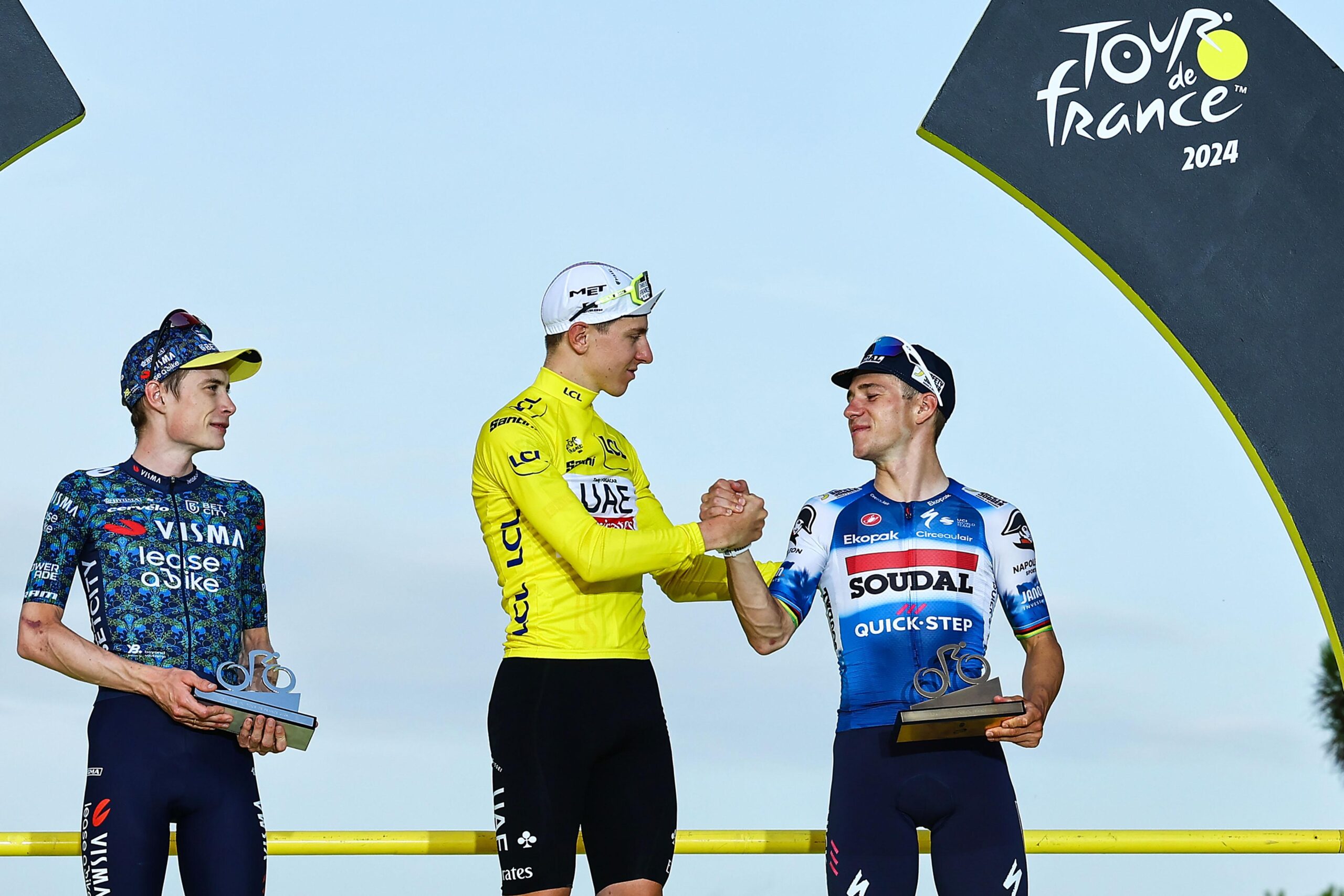
Can Anyone Qualify for the Tour de France? Unpacking the Road to One of Cycling’s Most Prestigious Races
As the cycling world gears up for another exhilarating edition of the Tour de France, questions surrounding qualifications for this iconic event come to the forefront. While the race is often perceived as the exclusive domain of elite professional cyclists, the reality is more nuanced. Each year, thousands of riders dream of donning the famous yellow jersey and conquering the challenging terrain that spans across France and beyond. But what does it take to qualify for this grueling competition? In this article, we delve into the rigorous selection process, the criteria that cyclists must meet, and the evolving landscape of access to one of sports’ most celebrated events. From the stringent requirements set by race organizers to the inspiring stories of amateur riders taking on the ultimate challenge, we explore whether the Tour de France is truly a race for all.
Understanding the Qualification Criteria for the Tour de France
The path to qualifying for the Tour de France is not a straightforward one, as it requires a combination of elite performance, team dynamics, and strategic planning. Professional cycling teams must secure their places through the UCI World Tour ranking system and invitations from the race organizers. This means that, generally, participants are not individuals but rather teams that have demonstrated outstanding capabilities in previous races. The qualification criteria encompass several factors, including past performance in prestigious cycling tours, individual rider rankings, and overall team cohesiveness, as each team fields eight riders to compete for the coveted yellow jersey.
In addition to performance metrics, teams are evaluated based on their UCI status-either WorldTeams or ProTeams. WorldTeams automatically qualify for the Tour, while ProTeams must aim to earn wildcards through exceptional results. The selection process also considers the engagements that teams have with fans and sponsors, highlighting the delicate balance between athletic prowess and commercial viability. Here’s a brief overview of the current qualification statuses:
| Team Type | Qualification Status |
|---|---|
| WorldTeams | Automatic qualification |
| ProTeams | Invitations based on performance |
The Role of Professional Teams in Gaining Entry
The competitive landscape of cycling is predominantly shaped by professional teams that play a crucial role in determining who can qualify for prestigious events like the Tour de France. These teams not only bring together elite cyclists but also provide the necessary resources to ensure their athletes perform at the highest level. Sponsorships, coaching, and state-of-the-art equipment are just a few components that elevate a team’s status and capabilities. Being part of a registered UCI ProTeam is often the golden ticket, as these teams automatically earn invitations to participate in the Tour, thus narrowing the field significantly. Individuals aspiring to compete without such backing often find themselves at a disadvantage, as professional teams command a majority of the top riding spots.
Moreover, the team structure fosters a unique environment where cooperation meets competition. Riders are typically assigned specific roles-be it leader, domestique, or sprinter-each vital for team strategy and success during multi-stage races. This has led to the emergence of several prominent teams, which consistently perform well. The table below showcases a few prominent professional teams and their recent Tour de France standings:
| Team Name | 2023 Tour Standing |
|---|---|
| INEOS Grenadiers | 1st |
| Jumbo-Visma | 2nd |
| UAE Team Emirates | 3rd |
This illustrates how the synergy within professional teams not only drives individual success but also impacts their qualification and performance on the grandest stage of cycling. For aspiring cyclists, being affiliated with these teams is not just an opportunity; it’s often the only path towards fulfilling their dreams of competing on such a significant platform.
Training and Preparation Strategies for Aspiring Cyclists
For aspiring cyclists targeting competitive events like the Tour de France, developing a comprehensive training plan is crucial. This journey begins with a clear focus on building endurance and strength through structured rides. Cyclists should incorporate a variety of training methods, such as:
- Long Distance Rides: Aim for at least one ride each week that pushes your distance boundaries.
- Interval Training: Include high-intensity bursts followed by recovery periods to enhance speed and power.
- Hill Climbing: Regularly tackle steep terrains to build muscle strength and improve climbing efficiency.
In addition to physical training, mental preparedness plays a significant role in a cyclist’s journey to the Tour de France. Aspiring contenders should prioritize:
- Nutrition Plans: Adopt a balanced diet rich in carbohydrates, proteins, and essential fats to fuel training and recovery.
- Recovery Techniques: Implement strategies like stretching, foam rolling, and adequate sleep to prevent injury and enhance performance.
- Mental Conditioning: Practice mindfulness and visualization techniques to prepare for race-day scenarios.
Final Thoughts
In conclusion, qualifying for the Tour de France is not merely about having a passion for cycling; it involves meeting a rigorous set of physiological, technical, and competitive criteria that can challenge even the most dedicated athletes. While the race is open to riders from various backgrounds-ranging from professional teams to independent participants-only those who possess exceptional skill, endurance, and strategic insight will find themselves at the starting line of this iconic event. As cycling continues to evolve, the opportunity to participate may broaden, but the demands of the Tour de France remain an unyielding testament to the sport’s most elite. For aspiring cyclists, the journey towards qualification is as arduous as the race itself, yet the dream of competing in one of the world’s most prestigious sporting events continues to inspire countless riders across the globe.