

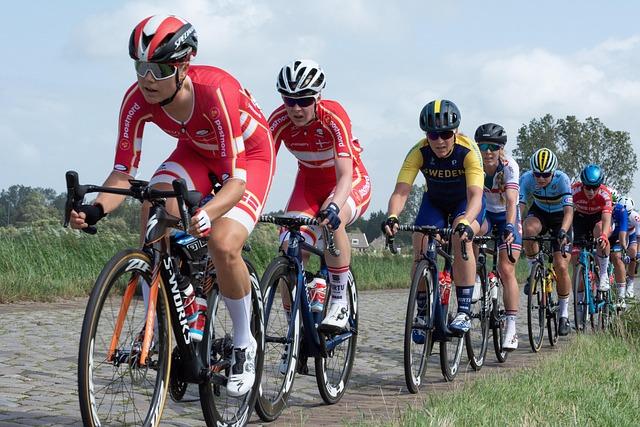
Introduction:
Despite the growing popularity of cycling as a sustainable and health-conscious mode of transportation, a significant gender gap persists on the roads and trails. Recent studies have illuminated a troubling trend: women are cycling less frequently than their male counterparts in many parts of the world. From safety concerns and inadequate infrastructure to societal expectations and cultural barriers, a range of factors contributes to this disparity. In this article, we delve into the reasons behind the underrepresentation of women in cycling, exploring both the challenges they face and the potential solutions that could encourage greater participation. As urban areas increasingly prioritize eco-friendly transport options, understanding and addressing this gender gap is crucial for fostering inclusive cycling communities.
Barriers to Female Cycling Participation: Understanding the Challenges
The underrepresentation of women in cycling can be attributed to a myriad of factors that create significant barriers. Safety concerns are often at the forefront, with many women feeling uneasy about riding on busy roads or in poorly lit areas. Additionally, lack of cycling infrastructure plays a critical role; in many cities, the absence of dedicated bike lanes and safe parking facilities discourages female riders. Other contributing factors include:
- Societal Norms: Traditional gender roles can influence perceptions about cycling, deeming it more suitable for men.
- Access to Resources: Women may have less access to bikes or funds for maintenance compared to their male counterparts.
- Time Constraints: Many women juggle multiple responsibilities, making it challenging to dedicate time for recreational cycling.
In addition to these challenges, cultural attitudes toward cycling can create a sense of exclusion. A recent survey highlighted that 37% of female respondents indicated they felt uncomfortable in cycling groups dominated by men, which suggests that fostering an inclusive environment could drive participation. To better understand these dynamics, the following table outlines the top barriers identified by women, showcasing their impact on cycling habits:
| Barrier | Percentage of Women Affected |
|---|---|
| Safety Concerns | 62% |
| Lack of Infrastructure | 50% |
| Social Pressure | 40% |
| Resource Access | 35% |
Creating Inclusive Cycling Environments: Infrastructure Improvements and Community Programs
To foster a cycling culture that encourages women to participate, city planners and community leaders must prioritize the development of safe and accessible infrastructure. This includes:
- Protected bike lanes: Separating cyclists from vehicle traffic reduces accidents and enhances comfort.
- Well-maintained pathways: Regular repairs and upkeep ensure that biking routes are reliable and inviting.
- Lighting and visibility: Adequate lighting along cycling routes increases safety, especially for those riding at dusk or dawn.
- Secure bike parking: Convenient and safe storage options make it easier for women to cycle to work or errands.
In addition to infrastructure enhancements, community-oriented programs can significantly impact female cycling participation. Initiatives should focus on:
- Women-only cycling groups: Creating spaces for women to learn and share experiences can build confidence.
- Workshops on cycling skills: Offering training on bike maintenance and safe riding techniques empowers women and reduces barriers to entry.
- Awareness campaigns: Highlighting the health benefits and joys of cycling through dedicated outreach can motivate more women to ride.
| Infrastructure Improvement | Community Program |
|---|---|
| Protected bike lanes | Women-only cycling groups |
| Well-maintained pathways | Workshops on cycling skills |
| Lighting and visibility | Awareness campaigns |
| Secure bike parking | Health benefits education |
Promoting Cycling as a Lifestyle Choice: Strategies for Engaging Women in Cycling
To effectively promote cycling among women, it’s essential to address barriers that may discourage participation. Initiatives can include:
- Community Rides: Organizing local cycling events that specifically cater to women, fostering a sense of community and shared experience.
- Workshops: Offering classes on basic bike maintenance and riding skills to boost confidence and reduce intimidation.
- Mentorship Programs: Pairing experienced female cyclists with newcomers to provide support and encouragement.
Addressing infrastructure and safety concerns is also crucial. Improved cycling infrastructure can entice more women to take up cycling as a regular mode of transport. Strategies may include:
- Protected Bike Lanes: Advocating for the creation of dedicated cycling lanes that ensure safety.
- Enhanced Lighting: Installing better street lighting in cycling areas to increase visibility and comfort during early morning or evening rides.
- Public Awareness Campaigns: Promoting the benefits of cycling for women through targeted marketing and storytelling that resonate with their needs and lifestyles.
In Conclusion
In conclusion, the underrepresentation of women in cycling highlights a complex interplay of societal, cultural, and infrastructural challenges. While increasing awareness and initiatives aimed at encouraging female participation in cycling are essential, sustained efforts are needed to create an environment that feels safe and welcoming for all. Advocates stress that overcoming these barriers is not just beneficial for women, but for society as a whole, fostering a healthier population and more sustainable urban environments. As cities continue to evolve and adapt, the hope is that cycling will emerge as a truly inclusive mode of transport, paving the way for a brighter, more equitable future on the roads.