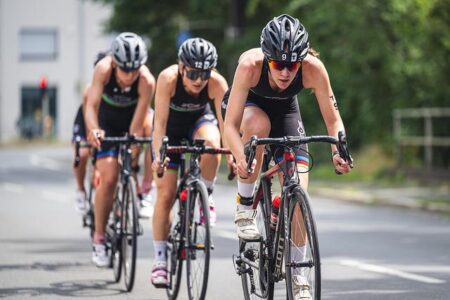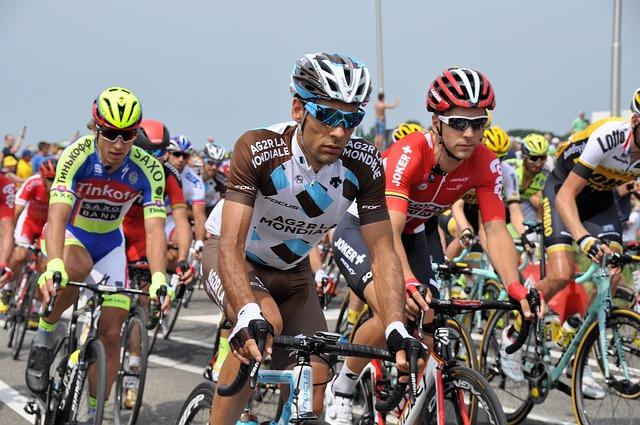
In a significant development early in the Tour de France Femmes 2026, Australian cyclist Brodie Chapman has officially withdrawn from the prestigious race before even reaching the second stage. The early departure has sent ripples through the cycling community, as fans and fellow competitors alike reflect on the implications of her exit from one of the sport’s most celebrated events. Chapman, a formidable presence in women’s cycling, had been expected to make a strong impact in this year’s edition of the tour. As the event unfolds, the reasons behind her abandonment and the potential consequences for her team and the competition are coming into sharper focus.
Brodie Chapman Withdraws from Tour de France Femmes at an Early Stage
Brodie Chapman, the Australian cyclist representing the ambitious team of Movistar, has officially announced her withdrawal from the Tour de France Femmes after an unfortunate turn of events prior to the onset of stage two. Following a challenging first stage that pushed her physical limits, Chapman encountered a knee injury that has rendered her unable to continue competing in this prestigious event. Team officials have confirmed that she will not take part in the upcoming stages, emphasizing her need to prioritize recovery and health over racing.
This withdrawal leaves a significant gap in the dynamics of the Movistar team, which was counting on Chapman’s strength and experience for a strong performance in this year’s race. Among her key contributions were:
- Team support: Known for her ability to assist teammates in high-pressure situations.
- Strategic positioning: A valuable rider for maintaining pace during crucial moments of the race.
- Experience: A seasoned athlete with previous participation in major tours.
As Chapman steps back, the cycling world watches intently to see how her team will adapt and who will step up to fill her shoes in the challenging remaining stages of the Tour de France Femmes.
Impact of Injuries on Team Dynamics in Women’s Professional Cycling
The sudden departure of Brodie Chapman from the Tour de France Femmes has left a significant void in her team’s lineup. As one of the promising riders, her absence before stage two not only disrupts team strategy but also has a ripple effect on the morale and dynamics of the entire squad. Injuries in professional cycling can be particularly devastating, often leading to shifts in roles and expectations among teammates. The impact of such an event can be felt far beyond the race, as athletes grapple with changing responsibilities and the psychological burden of competing without a key member.
Moreover, Chapman’s exclusion highlights the physical demands of the sport and the precarious nature of team cohesion. Teams rely on each member’s strengths, making injuries critical stress points. As riders adjust to new dynamics, they must also confront the challenge of maintaining synergy while focusing on their own performances. The loss of a teammate can create uncertainty, but it can also spark resilience, pushing others to rise to the occasion. Factors contributing to this shift in team dynamics can include:
- Emotional strain: Teammates may experience feelings of loss or pressure to fill the gap.
- Strategic adjustments: Coaches are often forced to rethink race strategies on short notice.
- Motivational shifts: Some riders may find new levels of determination, while others could struggle to cope.
Strategies for Improving Athlete Support and Health in Major Cycling Events
The recent withdrawal of Brodie Chapman from the Tour de France Femmes raises significant concerns about the existing mechanisms for athlete support and health during major cycling events. Effective strategies must be implemented to ensure that participants are not only physically prepared but also mentally supported throughout the grueling stages of competition. Enhancing medical readiness, mental health resources, and nutrition programs can be pivotal in preventing such withdrawals. Teams should prioritize comprehensive health assessments before the competition, offering tailored support that caters to individual athlete needs.
| Strategy | Description |
|---|---|
| On-site Medical Teams | Dedicated teams available for immediate care and injury prevention. |
| Mental Health Support | Access to counselors and sports psychologists to help athletes cope with stress. |
| Nutritional Guidance | Personalized meal plans focused on recovery and energy management. |
Moreover, establishing mandatory pre-competition workshops focused on athlete resilience and health literacy could empower cyclists to make informed decisions regarding their health and performance. Creating peer-support networks where athletes can share experiences and coping strategies should also be considered, fostering a culture of solidarity. By prioritizing comprehensive support systems, cycling organizations can work towards minimizing withdrawals like that of Chapman, enhancing the overall health and longevity of athletes in the sport.
Final Thoughts
As the dust settles on the opening stages of the Tour de France Femmes 2026, the unexpected withdrawal of Australian rider Brodie Chapman before stage two has cast a shadow over the competition. Chapman’s early exit not only highlights the unpredictable nature of the race but also raises questions about the challenges faced by athletes in demanding conditions. As the peloton continues its journey through the picturesque French countryside, fans and competitors alike will be eager to see how the remaining riders adapt and persevere in the face of adversity. With several stages still to come, the race remains wide open, setting the stage for both triumphs and tribulations in the days ahead.